
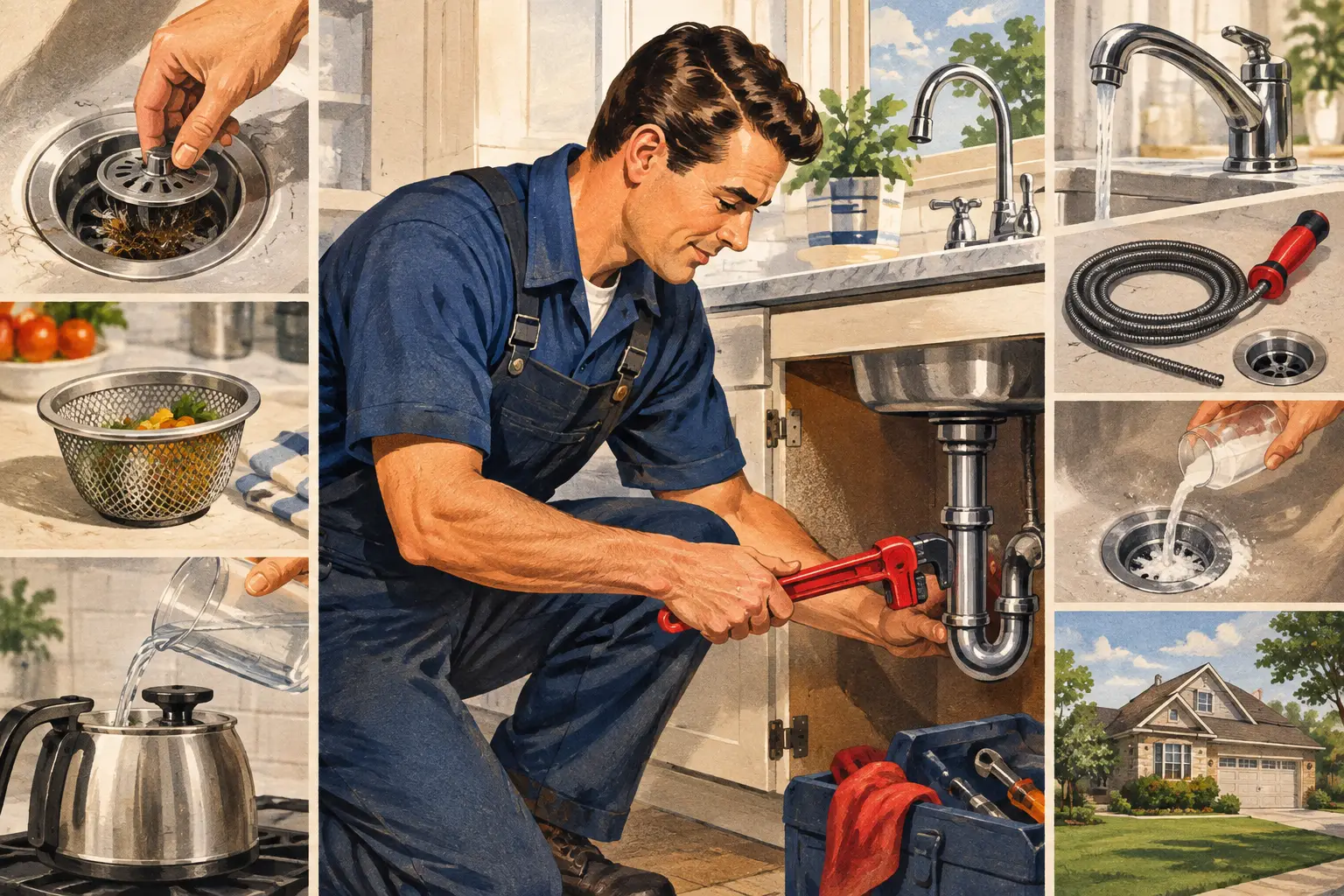
A drain rarely clogs without warning. Water starts taking longer to disappear, the kitchen sink develops an odor, or the shower begins to hold water around your feet. The best ways to prevent drain clogs are usually simple habits done consistently - before buildup turns into a plumbing disruption.
For homeowners, property managers, and small businesses, prevention protects more than convenience. It helps avoid water backups, interrupted routines, and the need for an urgent drain cleaning visit. The right approach depends on the drain, because what blocks a kitchen line is very different from what collects in a bathroom sink.
Keep Food and Cooking Grease Out of Kitchen Drains
Kitchen drains handle a steady mix of food particles, grease, soap residue, and detergent. Over time, those materials can cling to the inside of the pipe and narrow the passage for water. Once that buildup starts, even normal dishwashing can push the line toward a clog.
Scrape plates and cookware into the trash before washing them. Coffee grounds, rice, pasta, flour, eggshells, fibrous vegetable scraps, and similar debris are especially likely to create problems. A garbage disposal can process small amounts of suitable food waste, but it is not designed to handle every leftover from a meal.
Grease deserves special attention. Cooking oil, bacon grease, butter, gravy, and meat drippings may go down warm and liquid, but they cool inside the plumbing line. As they harden, they trap other debris and create a stubborn blockage. Let grease cool in a container, then dispose of it in the trash.
After washing dishes, run warm water long enough to clear soap and small particles through the disposal and drain opening. This is useful for routine cleanup, but it will not remove heavy buildup that is already attached inside the pipe.
Use Strainers Where Hair and Debris Collect
Hair is one of the most common causes of bathroom drain clogs. It combines with soap residue and personal-care product buildup, forming a sticky mass that catches more material each time the sink, tub, or shower is used.
A simple drain strainer is one of the most effective preventive measures for bathroom sinks, tubs, and showers. Empty it regularly instead of allowing collected hair to wash around its edges. This small task takes seconds and can prevent a slow drain from becoming a full blockage.
Bathroom sink drains also collect toothpaste, shaving debris, thick creams, and small items that accidentally fall into the basin. Keep caps, jewelry, cotton swabs, floss, and other small objects away from the opening. Dental floss is particularly troublesome because it can wrap around other debris and create a net inside the line.
Be Careful With What Goes Down the Toilet
Toilets are built for human waste and toilet paper. Even items described as flushable can create trouble in residential plumbing, especially when they meet existing buildup or older pipe sections. Wipes, paper towels, facial tissues, cotton products, and hygiene items should go into a lined trash can instead.
This matters in rental homes, offices, restaurants, and other commercial spaces as much as it does in a family bathroom. A single improperly flushed item may pass through, but repeated use increases the chance of a blockage farther down the line. Those clogs are often more difficult to reach than a surface-level drain problem.
If young children use the bathroom, make sure they understand that toys and other objects do not belong in the toilet. A toilet that suddenly will not flush normally after a child has been nearby may have an object lodged in the trap rather than an ordinary paper clog.
Clean Drain Stoppers and Visible Buildup Regularly
Drain stoppers do their job by catching hair and debris, but they also accumulate residue. When a bathroom sink begins draining slowly, inspect the stopper before assuming the problem is deep in the pipe. In many cases, the obstruction is visible around the stopper assembly and can be removed during normal cleaning.
Shower and tub drains should receive the same attention. Pull visible hair from the strainer or stopper as part of regular bathroom cleaning. Do not force tools aggressively into the drain, since this can damage components or push debris farther into the line.
For kitchen sinks, wipe food residue from the basket strainer and check the garbage disposal splash guard. Buildup around these areas can contribute to odors and reduce water flow even when the main drain line is still open.
Avoid Chemical Drain Cleaners
When water is moving slowly, it is tempting to reach for a chemical drain cleaner. These products can be harsh on certain pipes, seals, and fixtures. They may also fail to remove the actual cause of a recurring clog, leaving the buildup in place while creating a more difficult service situation later.
If a drain is slow, start by removing visible debris from the stopper or strainer and limiting use of that fixture until the issue is understood. A plunger may be appropriate for a simple toilet clog or a sink blockage near the opening, but repeated plunging without improvement is a sign to stop and have the drain evaluated.
Chemical products are especially risky when they remain standing in a backed-up sink or tub. If professional service becomes necessary, always let the plumber know if any chemical product was used.
Give Every Drain a Little Attention Each Week
The best ways to prevent drain clogs do not require a major weekend project. A short weekly routine is more useful than waiting for a backup. Check strainers, remove hair, wipe sink stoppers, and watch for signs that water is taking longer to drain.
In kitchens, make sure everyone in the household follows the same grease and food-disposal habits. In bathrooms, keep a small trash can within easy reach so wipes, floss, and cotton products are not treated as flushable waste. For property managers, these reminders can help reduce avoidable service calls across multiple units.
Pay attention to drains that are used less often, such as guest bathrooms, utility sinks, or secondary showers. A drain that is rarely used may not show a problem until guests arrive or a busy day puts extra demand on it.
Know the Early Signs of a Developing Clog
A single slow drain can be caused by local buildup near that fixture. Multiple slow drains at the same time can point to a larger issue in the plumbing system. Gurgling sounds, water backing up into another fixture, sewage-like odors, or repeated clogs in the same location should not be ignored.
For example, a kitchen sink that drains slowly after heavy cooking may need attention at the sink line. But if running the washing machine causes water to rise in a nearby sink or tub, the problem may be farther along the drain system. The right response depends on where the backup occurs and whether more than one fixture is involved.
Recurring clogs are also a warning that surface cleanup is no longer enough. A professional drain cleaning can remove accumulated material and help identify whether roots, pipe damage, heavy grease buildup, or another obstruction is affecting drainage.
Protect Drains During Projects and Busy Periods
Home improvement work can introduce dust, grout, paint residue, and construction debris into sinks or floor drains. Keep these materials out of plumbing fixtures and use appropriate cleanup methods rather than rinsing leftovers down the drain. Even small amounts of hardened material can create a difficult obstruction.
Holiday gatherings, large family visits, and busy business periods also put extra pressure on plumbing. Before those high-use times, check that kitchen and bathroom drains are flowing normally. Catching a slow drain early is much easier than dealing with a backup when the house or property is full.
When Professional Drain Cleaning Makes Sense
Preventive habits reduce risk, but they cannot correct every issue. Older plumbing, repeated grease accumulation, tree root intrusion, and hidden pipe problems may require professional equipment and experience. If plunging and visible cleanup do not restore normal drainage, continuing to force the issue can make the disruption worse.
MasterTex Plumbing and Drain helps homeowners and local businesses throughout the Dallas-Fort Worth east and northeast service area address stubborn drain problems with professional drain cleaning. For residents in communities such as Plano, McKinney, Allen, Garland, Rockwall, and Royse City, timely service can help restore normal flow before a minor drainage concern becomes a larger interruption.
Keep an eye on how quickly your water drains this week. A few minutes spent clearing a strainer or changing what goes into the sink can be the difference between an ordinary cleaning task and an unexpected plumbing call.