
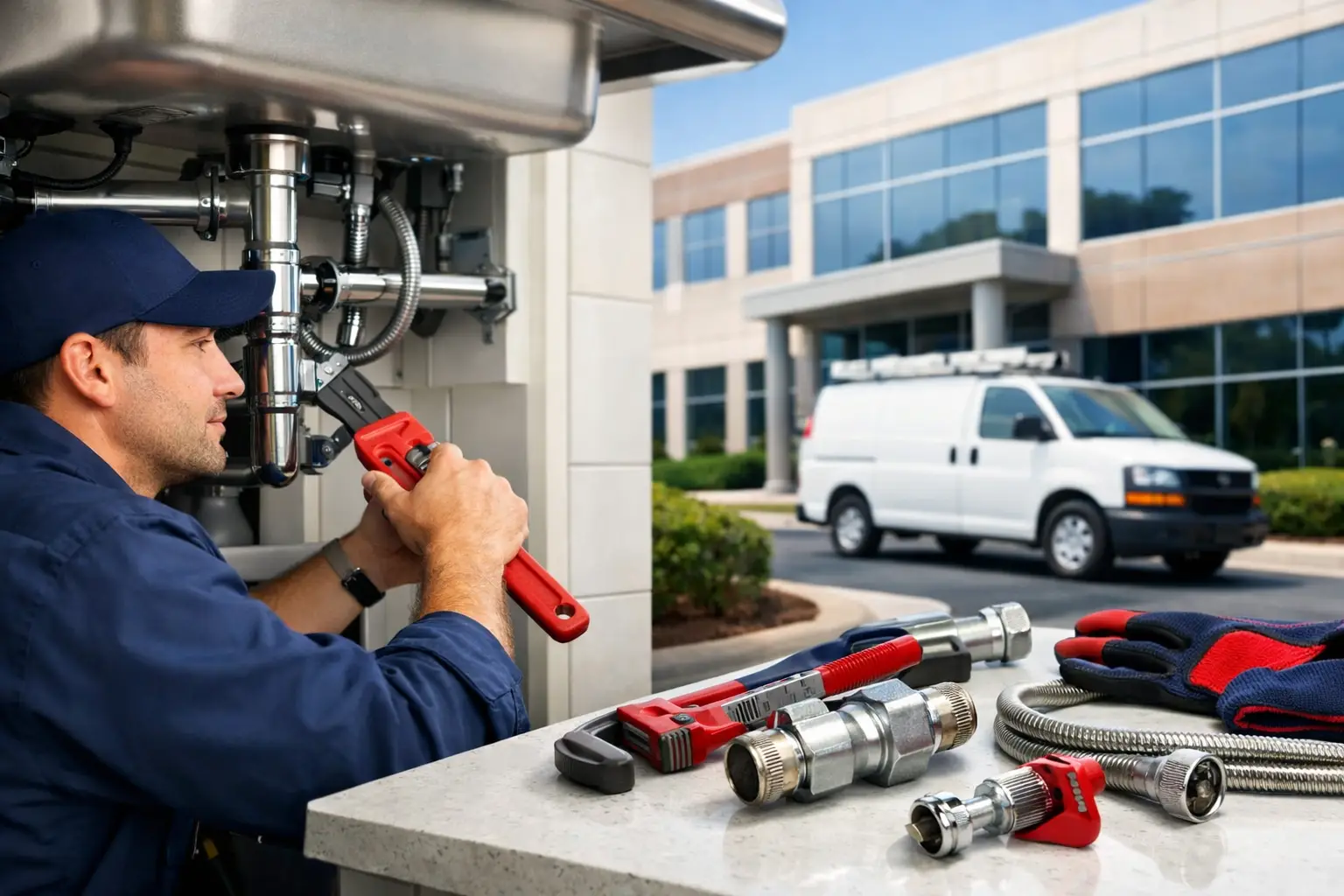
A restroom backup before opening, a leaking water heater in an occupied suite, or a recurring kitchen drain clog can quickly become a tenant issue, a maintenance issue, and a scheduling issue at the same time. Commercial plumbing for property managers is about more than repairing a pipe. It is about restoring normal operations quickly, communicating clearly, and preventing a small concern from turning into a larger disruption.
For property managers responsible for retail spaces, offices, restaurants, small commercial buildings, and rental properties across North Texas, a dependable plumbing partner helps make maintenance more predictable. The right approach combines fast response when something fails with practical planning for the systems that tend to create repeat calls.
What Property Managers Need From Commercial Plumbing
Commercial properties place different demands on plumbing than a single home. Restrooms may serve dozens of people each day. Breakroom sinks, mop sinks, floor drains, and kitchen lines can accumulate debris quickly. A minor leak can affect an occupied unit, a neighboring business, or a common area before anyone has time to investigate.
That makes responsiveness essential, but speed alone is not enough. Property managers also need a plumber who can identify the likely source of the problem, explain the repair in plain language, and document what was found. Clear communication helps managers update tenants, coordinate access, and decide whether a repair should be handled immediately or scheduled around business hours.
A good service relationship also recognizes the difference between an urgent event and a problem that deserves a planned repair. A toilet overflowing in a customer-facing restroom needs immediate attention. A slow leak beneath an older sink may allow time for a scheduled repair if the area can be protected and the leak is controlled. The right choice depends on the condition of the plumbing, the building's use, and the risk of disruption.
The Plumbing Problems That Most Often Interrupt Operations
Some plumbing issues announce themselves loudly. Others build quietly until a tenant reports an odor, water damage, or repeated drainage trouble. Knowing the common trouble spots helps property managers prioritize inspections and respond with better information when calling for service.
Drain and Sewer Line Blockages
Slow drains, gurgling fixtures, standing water, and backups are common reasons for commercial service calls. In offices and retail spaces, restroom paper products, hygiene items, and heavy use can contribute to clogs. In food-service settings, grease and food debris can create persistent restrictions in kitchen drain lines.
A drain that clears once but clogs again soon afterward may point to more than a simple blockage. Scale buildup, a damaged section of pipe, improper slope, or a problem farther down the line can all contribute. Repeated service calls should prompt a closer evaluation rather than the same short-term fix every time.
Leaks and Fixture Failures
Dripping faucets and running toilets may look minor, but they can create wasted water, tenant complaints, and avoidable maintenance tickets. Leaks under sinks, around toilets, near water heaters, or above ceilings need prompt attention because water can travel away from the original source.
Property managers should take reports of staining, soft wall material, pooling water, or a sudden drop in water pressure seriously. The visible symptom may not reveal the full extent of the issue. A professional inspection can locate the source and help determine the most practical repair path.
Water Heater and Hot-Water Concerns
Reliable hot water matters in many commercial settings, including restaurants, salons, fitness facilities, medical offices, and tenant spaces with breakrooms. A water heater that is leaking, producing inconsistent temperatures, or failing to keep up with demand can interrupt business operations quickly.
The best response depends on the equipment's condition, capacity, and the building's needs. In some cases, a targeted repair makes sense. In others, an aging unit or recurring issue may justify planning for replacement before a complete failure forces an emergency decision.
Build a Maintenance Plan Around Your Property
Preventive plumbing maintenance is not a one-size-fits-all schedule. A lightly used professional office has different needs than a busy restaurant or a multi-tenant retail center. The goal is to focus on the fixtures and lines that see the most use, have a history of problems, or could cause the greatest disruption if they fail.
Start by keeping a simple record of plumbing calls. Note the fixture or area, the reported symptom, the date, the repair performed, and whether the issue returned. Over time, this record can reveal patterns such as one restroom with frequent clogs, a specific tenant suite with recurring leaks, or a kitchen line that needs more regular drain service.
Routine drain cleaning can be especially helpful for properties with high-use restrooms or food-related operations. The timing should be based on actual usage and past issues, not an arbitrary calendar. Too little maintenance can lead to disruptive backups. Scheduling service too frequently without a clear need can add expense without addressing the underlying cause.
It is also wise to include visual checks during regular property walkthroughs. Look beneath sinks, around toilets, near water heaters, and in utility areas for moisture, corrosion, stains, unusual odors, or damaged supply lines. Early reporting gives you more options than waiting for a leak or blockage to become urgent.
Make Service Calls Easier to Manage
A well-organized service request helps a plumber arrive prepared and reduces time spent tracking down basic details. When a plumbing issue occurs, gather the property address, suite or unit number, the affected fixture, the symptoms, and the best contact for access. Photos can be useful when they clearly show a leak, standing water, or visible damage, although they do not replace an on-site assessment.
Tenant communication matters just as much. Let occupants know when service is scheduled, whether water or restroom access may be limited, and who to contact if conditions change. For work in occupied spaces, confirm access procedures in advance. A plumber cannot efficiently solve a problem from a locked utility room or an unavailable tenant suite.
For larger properties, designate one point of contact when possible. That person can approve access, answer questions about the building, and receive updates. This avoids crossed messages and helps the repair move forward without unnecessary delays.
Choose a Plumbing Partner Before the Emergency
The best time to find a commercial plumber is before a major backup or leak occurs. Property managers should look for a local provider with experience handling drain problems, fixture repairs, leak detection, water heater concerns, and the coordination that comes with occupied properties.
Ask how service requests are handled, what information is needed before arrival, and how findings will be communicated. A dependable provider should be direct about the condition of the plumbing and the available repair options. Property managers need useful recommendations, not vague explanations that make it difficult to plan next steps.
For properties in Plano, McKinney, Allen, Richardson, Rockwall, Royse City, and nearby North Texas communities, MasterTex Plumbing and Drain provides professional plumbing and drain cleaning support for local businesses and property managers. Having a responsive local contact can reduce the stress of coordinating plumbing issues across multiple tenants or locations.
When to Treat a Plumbing Issue as Urgent
Some situations should not wait for the next routine maintenance visit. Active leaks, sewage backups, overflowing fixtures, loss of water to an occupied space, and water heater leaks require prompt professional attention. If water is actively spreading, limit access to the affected area and follow your property's established shutoff procedures when safe to do so.
For less immediate concerns, such as a single slow drain or a faucet that begins to drip, schedule service before the issue affects tenants or business operations. Small warning signs are often easier to address when there is time to coordinate access and make a thoughtful repair decision.
A property runs more smoothly when plumbing is treated as part of operational planning rather than an after-hours surprise. Keep clear records, address repeat issues at their source, and work with a plumbing professional who understands that your priority is getting tenants and businesses back to normal with as little interruption as possible.