
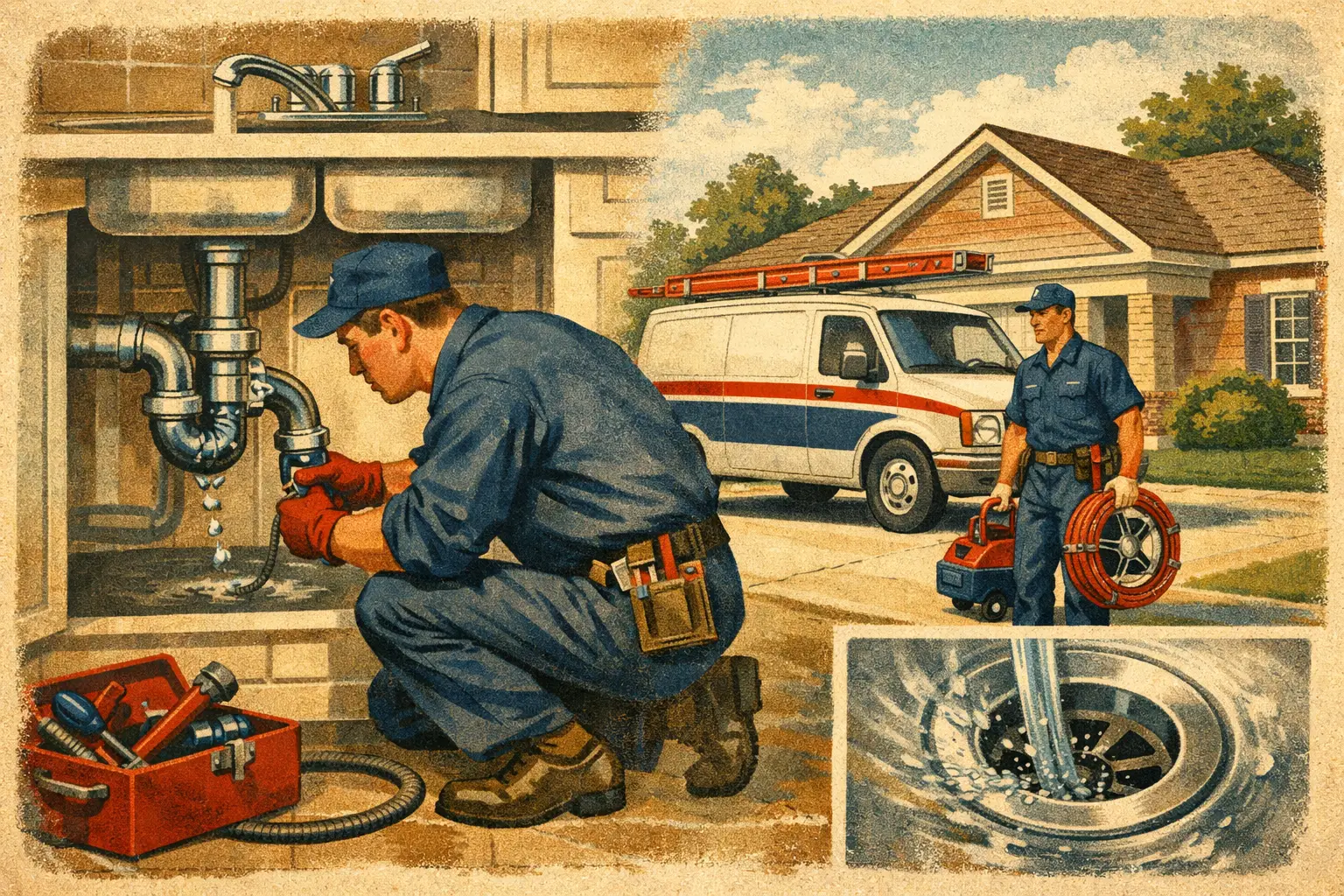
A slow kitchen sink can seem like a small inconvenience until water stops draining while dinner is cooking. A shower that backs up around your feet is even harder to ignore. When you need drain cleaning Frisco homeowners can rely on, the goal is not simply to get water moving again. It is to identify the blockage, clear it properly, and reduce the chance that the same problem returns next week.
Drain problems rarely improve on their own. What begins as a slow drain may become a complete blockage, an overflowing fixture, or a disruption to a home or business routine. Professional service helps address the issue before it grows into a bigger plumbing concern.
When a Slow Drain Becomes a Service Call
A single slow drain does not always mean there is a major problem in the plumbing system. Hair, soap residue, food debris, and grease can build up near a fixture and restrict flow over time. Still, repeated slow draining is a reason to act, especially when basic cleaning of the visible drain opening does not make a lasting difference.
The warning signs become more serious when multiple fixtures are affected. For example, if a toilet bubbles when the washing machine drains, or water backs up into a tub when a sink is running, the restriction may be farther down the line. Gurgling sounds, unpleasant drain odors, and recurring clogs also point to a blockage that needs more than a temporary fix.
For property managers and local businesses, response time matters just as much. A blocked restroom, break-room sink, or floor drain can interrupt employees, customers, and tenants. Scheduling professional attention early can help limit downtime and prevent a minor issue from turning into an urgent cleanup.
Common Causes of Clogged Drains in Frisco Homes
Every drain has a different job, so the cause of a clog often depends on its location. Kitchen drains commonly collect cooking grease, food particles, and residue that sticks to pipe walls. Bathroom sink and shower drains are more likely to collect hair, soap buildup, and personal-care residue. Toilets can clog from excessive paper or items that should not enter the plumbing system.
Some blockages are close to the fixture. Others develop deeper in the branch line or main drain line, where everyday debris has gradually narrowed the pipe. The location matters because it determines the right clearing method. A quick surface fix may help with a minor blockage near the drain opening, but it will not resolve buildup farther down the pipe.
Older plumbing, heavy household use, and repeated disposal of grease or unsuitable materials can all contribute to drain trouble. There is no single cause for every clog, which is why a professional evaluation is useful when the problem keeps returning.
Kitchen Drain Problems
Kitchen sink clogs are often linked to fats, oils, grease, and food debris. Even if grease goes down the drain as a liquid, it can cool and collect inside the pipe. Over time, that buildup catches additional material and reduces water flow.
A kitchen drain that slows after every meal or backs up when the dishwasher runs deserves attention. Waiting until the sink will not drain at all can make meal preparation and cleanup unnecessarily difficult.
Bathroom and Laundry Drain Problems
Hair and soap residue are frequent causes of bathroom drain clogs. A shower may drain slowly for weeks before it reaches the point where water pools noticeably. Bathroom sinks can develop similar issues, particularly in busy households where several people use the same fixtures each day.
Laundry drains handle a large volume of water in a short period. If the line is partially blocked, the drain may struggle to keep up and cause water to back up. Because a washing machine can release water quickly, this is not a problem to put off.
What Professional Drain Cleaning in Frisco Involves
Professional drain cleaning begins with understanding what the drain is doing and when the issue occurs. A technician may ask whether one fixture or several are affected, whether there has been backup, and how long the problem has been present. These details help narrow down the likely location of the blockage.
The appropriate method depends on the drain and the obstruction. Mechanical clearing can remove a clog or break through a blockage in many situations. For tougher buildup or recurring line restrictions, more thorough cleaning methods may be appropriate. If the symptoms suggest a deeper issue, camera inspection can help show the condition inside the pipe and guide the next step.
This approach is more useful than treating every slow drain the same way. It helps distinguish between a simple fixture-level blockage and a problem that may involve a larger section of the drainage system. It also gives homeowners, managers, and business owners clearer information before deciding on further work.
Professional drain cleaning is not only about restoring flow at that moment. A properly cleared line should allow water to move normally and help remove the buildup that contributed to the restriction. Results depend on the pipe condition and the source of the clog, so recurring symptoms should always be discussed rather than ignored.
Why Temporary Fixes Often Fall Short
A plunger can be helpful for certain toilet clogs, and removing visible debris from a drain stopper can improve a slow bathroom sink. Those limited steps may solve a minor, nearby obstruction. The trade-off is that they do not tell you what is happening farther down the line.
When a drain works for a day or two and then slows again, the blockage may not have been fully removed. Repeated backups are especially frustrating because they create the impression that the problem is solved when it is only temporarily displaced. Professional service focuses on locating and clearing the underlying restriction instead of repeatedly reacting to the symptom.
Avoid pouring chemical drain cleaners into the plumbing system. These products may not remove a substantial blockage, and they can create additional concerns for pipes, fixtures, and anyone who later works on the drain. If standing water, backup, or a stubborn clog is present, it is safer to have the drain evaluated by a qualified plumbing professional.
How to Help Prevent Future Clogs
Prevention is not complicated, but it works best when it becomes routine. Keep food scraps and cooking grease out of kitchen drains, and use strainers where practical to catch debris before it enters a sink or shower line. In bathrooms, clear hair from stoppers and drain covers regularly rather than waiting for water to pool.
Only flush toilet paper and normal wastewater. Products labeled as flushable can still contribute to drain restrictions, particularly when they collect in a line with other debris. For homes with frequent visitors, children, or tenants, a simple reminder about what belongs in the toilet can prevent avoidable calls.
It also helps to pay attention to changes in normal drainage. A drain that suddenly gurgles, empties slowly, or gives off a persistent odor is giving you useful information. Addressing the change early is usually more convenient than waiting for a complete blockage.
Choosing a Drain Cleaning Service for Your Property
When comparing service providers, look beyond whether they can respond to a current clog. Clear communication, professional assessment, and an explanation of the recommended work matter. You should understand what symptoms were found, what clearing method is appropriate, and whether there are signs that further inspection may be needed.
Local availability is another practical consideration. Frisco homeowners, property managers, and small-business owners need a provider that understands the urgency of an unusable kitchen, bathroom, or commercial drain. MasterTex Plumbing and Drain serves North Texas customers with professional plumbing and drain cleaning support designed to get the process moving without unnecessary confusion.
A reliable provider will not assume every problem has the same cause. The right solution may be straightforward, or it may require a closer look at a recurring or multi-fixture issue. That distinction protects your time and helps avoid repeated disruption.
Do Not Wait for a Full Backup
A completely blocked drain usually gives warning signs first. Slow flow, gurgling, odors, repeated clogs, and water appearing where it should not are all reasons to schedule service. If wastewater is backing up into a tub, shower, sink, or floor drain, stop using nearby fixtures when possible and request professional help promptly.
Drain cleaning is easier to manage when it is handled before the plumbing system is under pressure from a full backup. Whether the problem is a stubborn kitchen sink, a shower that will not drain, or several fixtures acting up at once, timely attention can restore normal use and provide confidence in what is happening inside the line.