
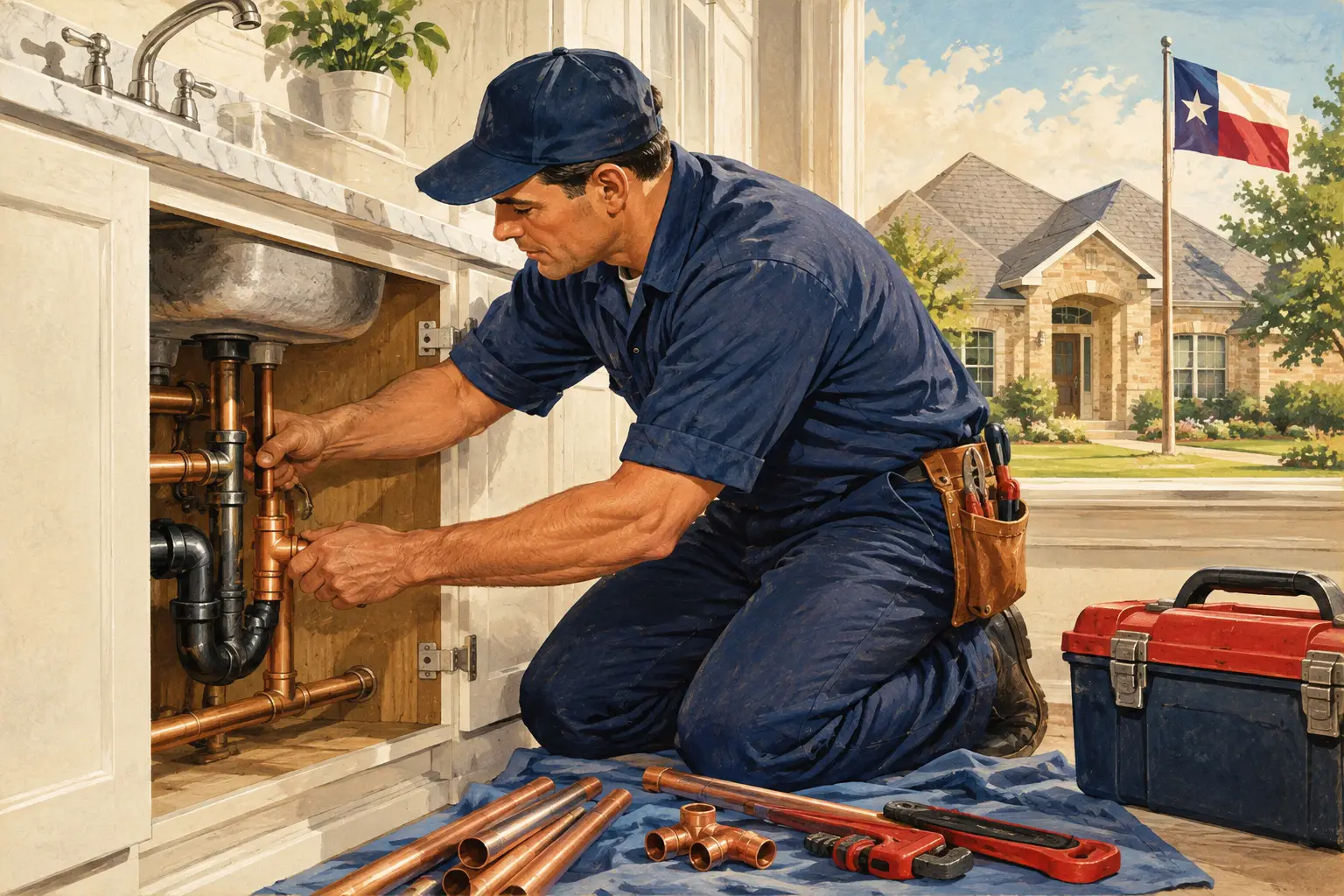
A small leak under a sink can be repaired. Recurring leaks in different rooms, low water pressure, and rusty-looking water are a different kind of warning. This guide to repiping older homes explains when replacing aging water lines may be the smarter long-term decision, what the work involves, and how to prepare your household or property for the project.
Older homes throughout Plano, McKinney, Richardson, Garland, and nearby North Texas communities can have plumbing systems that have worked for decades but are now reaching the end of their useful life. Repiping is a significant project, but it can stop the cycle of repeated repairs and give owners a more dependable plumbing system.
When a Guide to Repiping Older Homes Becomes Necessary
Repiping means replacing most or all of a building's water supply pipes. It does not usually mean replacing drain or sewer lines. The goal is to remove deteriorated supply piping before more leaks, water damage, or disruptions occur.
A single pipe failure does not automatically mean your home needs a full repipe. A qualified plumber should first determine whether the problem is isolated, whether previous repairs have been limited to one area, and what material is installed throughout the property. When leaks keep appearing in separate locations, however, piecemeal repairs can become less practical.
Common signs that deserve a professional inspection include frequent pinhole leaks, reduced water pressure at several fixtures, discolored water that clears slowly, visible corrosion near exposed pipes, and pipes that are noisy or unreliable. Water bills that rise without an obvious reason can also point to a hidden leak.
Material and age matter. Older homes may contain galvanized steel piping, aging copper, polybutylene, or other materials with known performance concerns. The installation quality, water conditions, past repairs, and the home's layout all affect how quickly a system wears out. That is why an on-site assessment is more useful than relying on the age of the home alone.
Why Repeated Repairs Can Stop Making Sense
Repairing a localized leak is often the right move when the rest of the system is in good condition. It is less appealing when each repair reveals another thin, corroded, or compromised section nearby. Owners may then face repeated service calls, openings in walls or ceilings, and uncertainty about where the next leak will occur.
A whole-home repipe addresses the underlying network instead of only the latest failure. It can improve consistency at fixtures and reduce the likelihood of water supply pipe leaks caused by aging material. It also gives property owners a clearer understanding of what is behind their walls and under their floors.
There are trade-offs. A repipe requires planning, temporary water shutoffs, access to pipe routes, and restoration of affected wall or ceiling openings. For a home with only one documented problem, a targeted repair may remain the sensible option. The decision should be based on the condition of the complete system, not pressure to choose the largest project.
Choosing the Right Piping Material
Modern repipes commonly use PEX, copper, or, in certain situations, CPVC. Each material has strengths, limitations, and installation requirements. The best choice depends on the property, the local plumbing code, the pipe routes available, and the owner's priorities.
PEX is flexible and can often be routed with fewer connections than rigid pipe. That can make it a practical option for many repiping projects, particularly where access is limited. Copper is durable and familiar to many homeowners, though installation can be more labor-intensive depending on the layout. CPVC may be considered for particular applications, but it is not automatically the right choice for every property.
A professional should explain the proposed material, where it will be installed, and why it fits the job. Ask whether existing pipe locations can be used, how supply lines will be routed to bathrooms and kitchens, and what type of shutoff valves will be installed. Clear answers before work begins help avoid surprises later.
What Happens During a Whole-Home Repipe
The first step is a detailed evaluation. The plumber identifies the existing pipe material, maps fixtures, checks accessible lines, and looks for the least disruptive route for new piping. Depending on the home, new lines may run through an attic, crawl space, garage, closets, or selected wall cavities.
Before installation starts, the crew should explain the expected schedule, water shutoff periods, access needs, and areas that may require protection. Residents can usually remain in the home during much of the process, although water availability may be limited at certain stages. Larger homes and properties with complex layouts can require additional time.
After the new water lines are installed, the system is tested for proper operation. Fixtures are checked, connections are inspected, and the crew confirms that water pressure and flow are functioning as expected. Required inspections and project details should be handled according to applicable local requirements.
The final stage is access-point restoration. Repiping often requires carefully placed openings in drywall or ceilings. The amount of restoration depends on the route used and the home's construction. Discuss who is responsible for patching, texture, and paint before the project begins so the scope is clear.
How to Prepare Your Home and Schedule
Good preparation makes a repipe easier on everyone. Clear personal items from under sinks, utility areas, and closets where plumbing access may be needed. Move fragile belongings away from work zones, and make arrangements for pets to stay safely away from open doors, tools, and workers.
If you work from home or manage a business, plan for periods when water may be off or when construction noise could be inconvenient. Property managers should notify tenants early, especially if shared water lines or common areas are affected. A straightforward schedule gives everyone time to plan around the service interruption.
It also helps to identify any special access considerations before the appointment. Let the plumbing team know about gated entry, parking restrictions, attic access, alarm procedures, or areas that need extra care. These details can keep the work moving efficiently.
Questions to Ask Before Approving a Repipe
A repiping estimate should describe the scope in plain language. You should understand whether the work covers hot and cold water lines, which fixtures are included, what material is proposed, and how the installer plans to access the piping.
Ask how long the project is expected to take, when water will be unavailable, and what testing will be completed before the job is finished. Ask about wall and ceiling access, restoration responsibilities, and whether any existing fixtures or valves need attention while the walls are open. These questions are not just administrative. They help you compare the actual scope of work rather than comparing a single bottom-line number.
For an older home, it is also reasonable to ask whether the plumber found evidence that a focused repair could still be appropriate. A dependable recommendation should match the property's condition, even if that means a full repipe is not necessary yet.
Protecting Your Plumbing After the Work Is Done
New supply piping is a major improvement, but it still benefits from routine attention. Watch for changes in pressure, listen for unusual sounds, and address dripping fixtures or failing shutoff valves promptly. Knowing where the main water shutoff is located can also help limit damage if an unexpected plumbing issue occurs.
Keep records of the work performed, including the piping material and the areas serviced. This information is useful for future maintenance, remodeling, or property management. If you are considering a kitchen or bathroom renovation, coordinating plumbing updates at the right time can also reduce repeated access to the same walls.
If repeated leaks or unreliable pressure are making you question your home's water lines, a professional evaluation can provide a clear next step. MasterTex Plumbing and Drain serves homeowners and property managers across the East and Northeast Dallas area with practical plumbing guidance and professional service. A careful inspection can help you decide whether repair is enough or whether repiping is the better path for your property.