
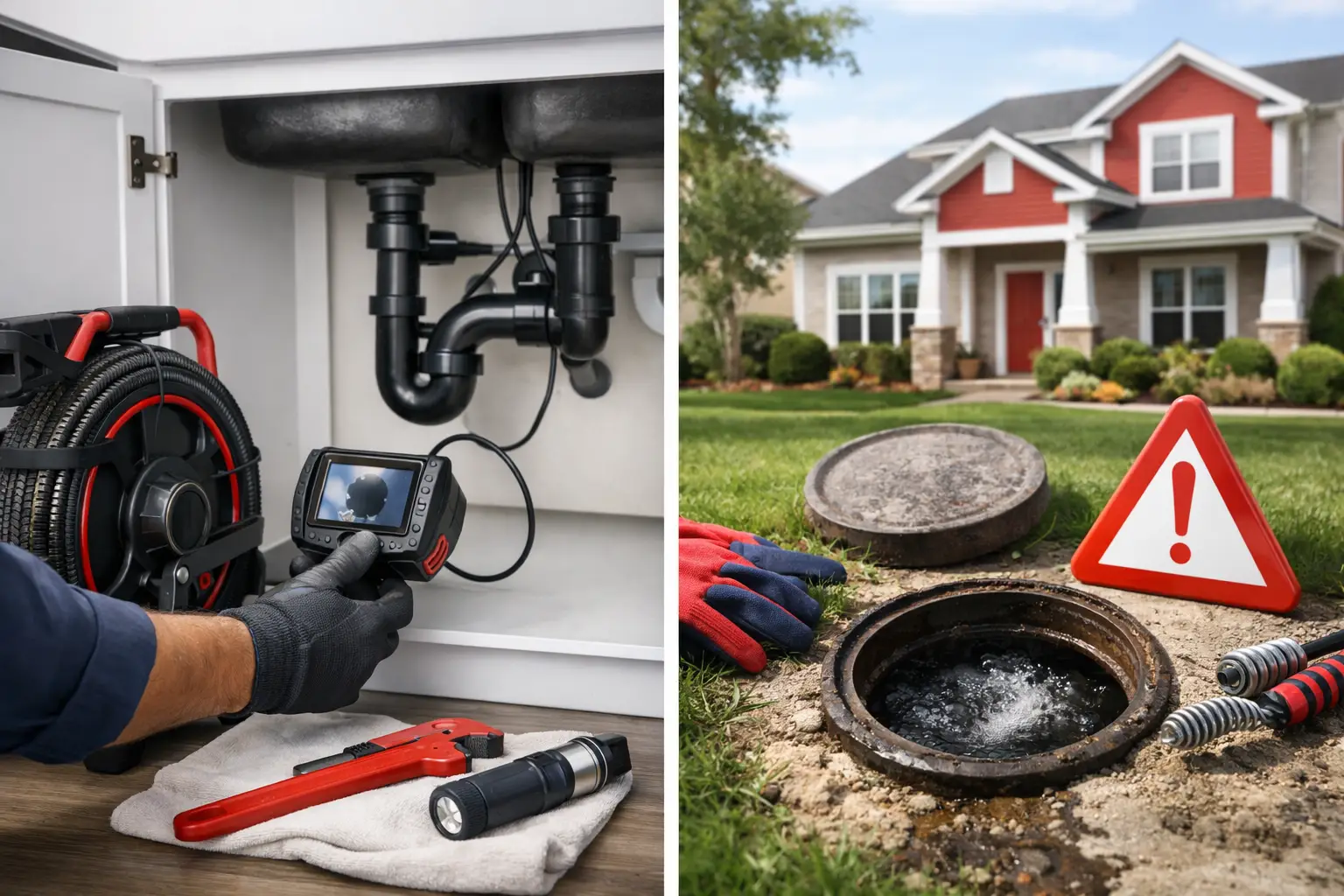
A slow kitchen sink may seem like a minor inconvenience until the shower starts draining slowly too. That is often when homeowners realize the issue may be farther down the line than a single fixture. This homeowner guide to drain inspections explains what an inspection can reveal, when it makes sense to schedule one, and how to respond before a drainage issue becomes a disruptive repair.
What a Drain Inspection Actually Checks
A professional drain inspection is more than looking into a sink or running water through a fixture. The goal is to identify where water flow is restricted, whether the problem affects one drain or a larger branch line, and what condition the pipe is in below the surface.
A plumber may begin with a conversation about the symptoms. Which fixtures are slow? When did the issue start? Does it happen after laundry, showers, or heavy kitchen use? Those details help narrow down whether the concern is likely in a fixture drain, a shared line, or the main sewer line leaving the home.
When the situation calls for a closer look, a drain camera can be sent through an accessible cleanout or drain opening. The camera provides a live view of the inside of the pipe. It may show buildup, a lodged obstruction, pipe damage, separated connections, or roots that have entered through an opening in the line.
A camera inspection is especially useful because it replaces guesswork with visual information. It also helps determine the right next step. A line with normal pipe walls and a concentrated blockage may need professional cleaning. A line showing damage or repeated root entry may require a more detailed repair discussion.
Signs Your Home May Need a Drain Inspection
Not every slow drain requires a camera inspection. A single bathroom sink that drains slowly, for example, can sometimes be limited to that fixture. But when symptoms repeat, affect multiple areas, or return soon after service, an inspection can save time and prevent unnecessary work.
Pay attention when more than one fixture drains slowly. A toilet that bubbles when the washing machine empties, water backing up into a tub after flushing, or recurring clogs in different rooms can point to a restriction farther down the drainage system.
Odors also deserve attention, particularly when they come from several drains or become more noticeable after using water. Drain odors can have several causes, so they should be evaluated rather than dismissed. The same is true of wet areas around cleanouts, unexplained water near floor drains, or gurgling sounds that were not present before.
Recurring problems are one of the clearest reasons to inspect a line. If a drain was cleared but becomes slow again within a short period, the original blockage may not have been fully addressed, or there may be a condition inside the pipe that cleaning alone cannot correct.
Older Homes and Changing Conditions
Age is not the only factor, but older drain lines can be more likely to develop issues from wear, shifting soil, aging joints, or long-term buildup. Homes in the Dallas-Fort Worth area can also experience ground movement that puts stress on buried piping over time.
Newer homes are not automatically exempt. Construction debris, improper use, or an isolated pipe defect can create trouble in a newer system as well. The inspection decision should be based on the symptoms and the history of the line, not solely on the age of the house.
What a Drain Camera Can and Cannot Tell You
Camera inspections are valuable, but they work best when homeowners understand their limits. The camera can show the interior condition of the line and help locate visible concerns. It can often identify heavy buildup, standing water, cracks, offsets, breaks, and intruding roots.
It may also help the plumber estimate where an issue is located. That is useful when planning cleaning or discussing repair options. A clear visual record makes it easier to explain why a recommendation is being made.
However, a camera does not repair the problem. If the line is completely blocked, it may first need to be opened enough for the camera to pass through. In some cases, water, debris, or the condition of the pipe limits visibility. A responsible plumber should explain what was visible, what was not visible, and whether more diagnostic work is needed.
The right service depends on the findings. Cleaning can restore flow when buildup or a soft blockage is the main concern. If the inspection shows a structural problem, repeated cleaning may only provide temporary relief. That distinction matters because it helps homeowners spend money on the work that addresses the actual cause.
How to Prepare for a Professional Inspection
You do not need to take apart plumbing or attempt to clear the line before an appointment. In fact, forcing a blockage farther into the pipe can make diagnosis more difficult. Instead, make the work area accessible and gather a few useful details.
Let the plumber know which drains are affected, how often the issue occurs, and whether the problem is worse at certain times. Mention recent plumbing work, remodeling, or past drain cleaning if you know about it. If there is an exterior cleanout, clear away stored items, landscaping materials, or debris around it when possible.
Try not to run large amounts of water immediately before the appointment if the home is actively backing up. If wastewater is coming up through a tub, shower, floor drain, or other fixture, limit water use in the home and request professional help promptly. Continued water use can worsen the backup and affect more areas of the property.
Questions to Ask After the Inspection
A good inspection should leave you with clear information, not more uncertainty. Ask where the issue was found, what the camera showed, and whether the concern is isolated or likely to affect other drains. It is also reasonable to ask whether cleaning is expected to be a lasting solution or whether the pipe condition suggests a repair should be considered.
If a repair is recommended, ask what specific condition makes it necessary. A clear explanation should connect the recommendation to the inspection findings, such as a break, separated pipe section, heavy root intrusion, or a section that is no longer allowing reliable flow.
Homeowners should also ask what signs would indicate the issue is returning. Knowing what to watch for after service makes it easier to act early rather than waiting for another major backup.
Practical Habits That Help Protect Drains
Drain inspections are most useful when paired with sensible everyday habits. Kitchen drains handle grease, food particles, and soap residue. Bathroom drains commonly collect hair and product buildup. Keeping these materials out of the drain as much as possible reduces the chance of frequent clogs.
Use strainers where they make sense, dispose of cooking grease in a container rather than the sink, and avoid treating toilets as trash cans. Only toilet paper and human waste should go into a toilet. These small habits will not prevent every drain issue, especially when the pipe itself is damaged, but they can reduce avoidable buildup.
If a drain begins slowing down, address it while it is still localized. Waiting until multiple fixtures are affected often means the restriction has moved deeper into the system or has had more time to build.
When to Call for Help
Call for professional drain service when water is backing up, several fixtures are affected, or a clog keeps returning. These are not situations where repeated temporary fixes offer much value. A proper inspection can identify whether the issue is routine buildup or a condition that needs a different solution.
For homeowners in Plano, McKinney, Allen, Richardson, Royse City, and nearby North Texas communities, MasterTex Plumbing and Drain can help assess persistent drainage issues and explain the findings clearly. The most helpful next step is usually the simplest one: get the line evaluated while the problem is still manageable, before a slow drain turns into a full-house disruption.