
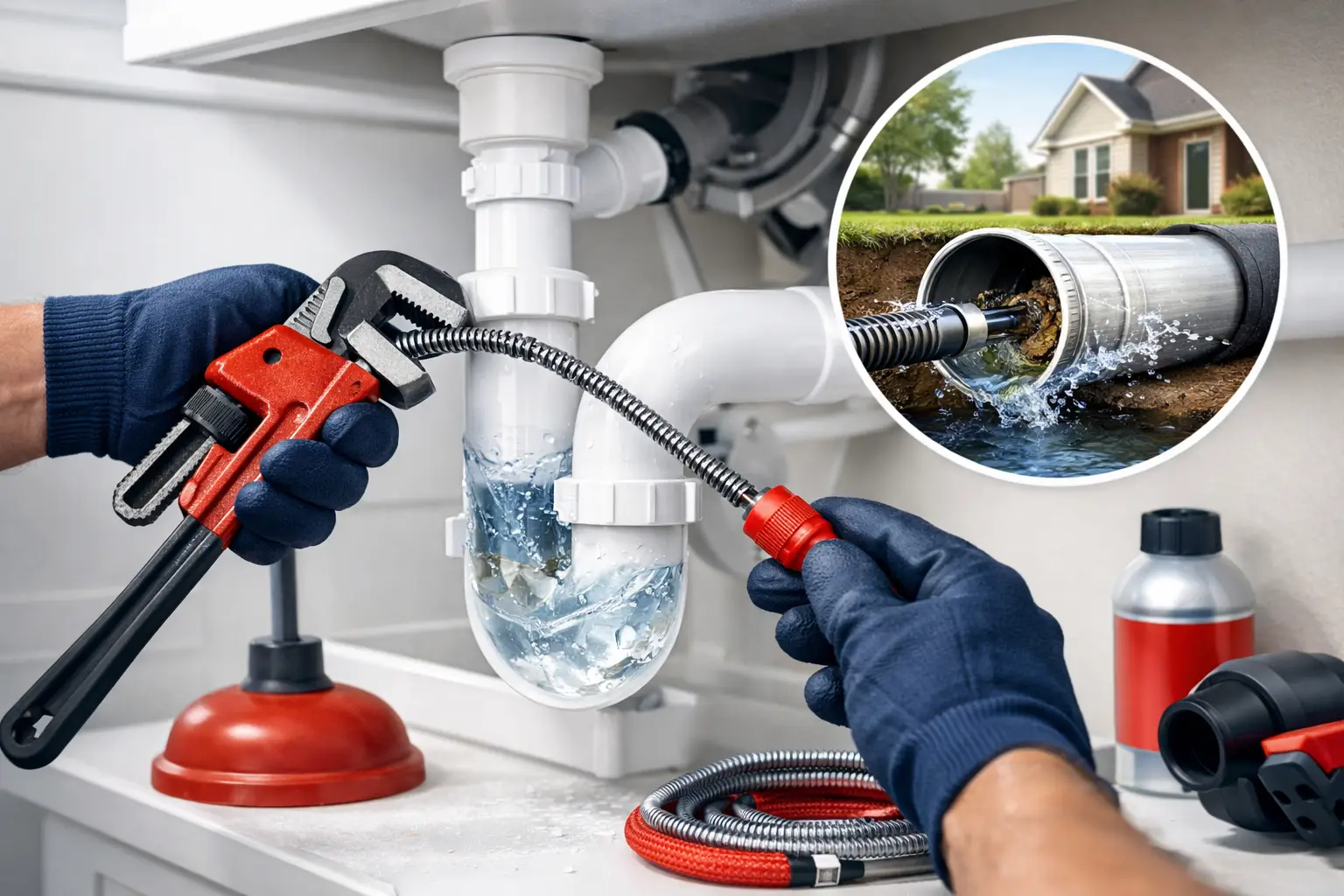
A slow sink or shower drain rarely becomes a major problem all at once. It usually starts with water taking a little longer to disappear, followed by gurgling, standing water, or an unpleasant odor. Knowing how to clean drain pipe safely can help you address a minor buildup before it disrupts your day - but the method matters. The wrong tool or a harsh chemical cleaner can damage pipes, seals, or fixtures while leaving the actual blockage behind.
For most homeowners and property managers, the goal is not to force water through at any cost. It is to remove the material causing the restriction, restore normal flow, and recognize when the issue is deeper than a single fixture drain.
Start by Identifying Which Drain Is Affected
Before taking anything apart, check whether the problem is isolated or widespread. Run water in nearby fixtures. If only one bathroom sink drains slowly, the buildup is likely in that sink's stopper, trap, or branch line. A shower that backs up while the bathroom sink works normally often has hair and soap residue near the drain opening.
If several drains are slow, toilets bubble when a sink drains, or water comes up in a tub or shower after flushing, stop treating it as a simple fixture clog. Those symptoms can point to a blockage farther down the plumbing system. Continuing to plunge or add water may cause an overflow indoors.
A kitchen drain needs its own diagnosis. Grease, food particles, and detergent residue often collect in the trap and pipe below the sink. A bathroom drain is more likely to contain hair, soap film, toothpaste residue, and personal-care products. Knowing what is likely in the pipe helps you choose a safe approach.
How to Clean Drain Pipe at a Sink
For a slow bathroom or kitchen sink, begin with the parts you can reach. Clear the sink area, place a small bucket under the drain pipes, and keep towels nearby. Avoid running the faucet while you work.
Remove debris from the stopper or drain opening
In many bathroom sinks, the stopper catches hair and residue before it reaches the pipe. Pull the stopper out if it lifts free. If it is connected to a pivot rod beneath the sink, you may need to loosen the retaining nut by hand and carefully remove the rod first. Wipe off the buildup and rinse the stopper before reinstalling it.
For sinks without a removable stopper, use a small plastic drain tool or a narrow, flexible cleaning tool designed for fixture drains. Insert it gently, pull it out slowly, and dispose of any hair or debris in the trash. Do not force a tool through resistance. Excess pressure can push a compacted clog farther down the line or snag a component inside the drain.
Clean the P-trap when the clog is close
The curved pipe beneath most sinks is called a P-trap. It holds water to block sewer odors, but it can also collect debris. With a bucket positioned underneath, loosen the slip nuts at both ends of the trap. These fittings often come apart by hand, though a cloth can help you get a better grip.
Pour the trap contents into the bucket and inspect the pipe for buildup. Rinse the trap, clean it with a small brush if needed, and check the short horizontal pipe leading into the wall. Reassemble the fittings snugly without overtightening them. Then run water slowly and inspect each connection for drips.
If the P-trap is clear but the sink still drains poorly, the obstruction is likely farther inside the branch line. That is the point where professional drain cleaning can prevent an avoidable leak, damaged fitting, or larger backup.
Clean Hair and Soap Buildup From Shower and Tub Drains
Hair is the most common cause of slow shower and tub drains. Remove the drain cover carefully, keeping the screws in a safe place. Use a flashlight to look just below the opening. Often, a visible clump of hair and soap residue can be removed with a small drain tool or needle-nose pliers.
Work slowly. Older drain covers and screws can be fragile, and pushing sharply downward may compact the blockage. Once the visible debris is removed, rinse with warm water and test the drain. If water begins to pool again right away, there may be additional buildup farther down the line.
A plunger can help with a shallow soft blockage, but it needs a good seal to work. For a tub, cover the overflow opening with a wet cloth before plunging so pressure stays in the drain line. Use controlled, steady strokes instead of aggressive force. A plunger is useful for some clogs, but it will not remove heavy scale, a damaged pipe, or an obstruction deeper in the system.
What Not to Put Down a Drain
Drain pipes are built to carry wastewater, not to process everything that reaches a sink or shower. Preventing buildup is usually easier than clearing it later.
Keep cooking grease, fats, coffee grounds, food scraps, wipes, paper towels, and hygiene products out of drains. Even items labeled flushable can cause trouble in plumbing lines. In bathrooms, use a drain screen to catch hair before it enters the pipe, and empty it regularly.
Avoid chemical drain cleaners. These products can generate heat and create fumes, may harm certain pipes or seals, and can remain in standing water if they do not solve the clog. They also make later repair work less safe for anyone who has to open the drain. If a drain needs more than a basic mechanical cleaning, a professional assessment is usually the safer next step.
When a Drain Snake Helps - and When It Does Not
A hand-operated drain snake can sometimes reach a clog beyond the trap. It is most useful for a simple blockage in a sink or tub branch line. Feed the cable gradually, turning it only as needed. If you feel firm resistance, do not keep forcing the cable. You could scratch a fixture, damage an older pipe, or get the cable stuck.
A drain snake is not a universal solution. It may punch a small hole through a clog without fully clearing the pipe, allowing the same issue to return soon afterward. It also cannot diagnose pipe damage, heavy buildup, root intrusion, or a problem in a larger drain line. Professional equipment can clear the line more thoroughly and help identify why the drain keeps clogging.
Signs You Should Call a Professional Plumber
A recurring slow drain is a service issue, not a cleaning chore. The same is true when water backs up into another fixture, drains make repeated gurgling sounds, foul odors return after cleaning, or the clog affects more than one room.
Call for professional help promptly if you notice water around pipe connections, a toilet that will not flush normally, or wastewater coming up through a tub or shower drain. These are situations where adding more water can make the damage and cleanup worse.
For homes and small businesses in Plano, McKinney, Allen, Richardson, Rockwall, Royse City, and nearby North Texas communities, MasterTex Plumbing and Drain can evaluate the line, clear the blockage with the right equipment, and help determine whether the problem is localized or farther down the system.
Keep Drains Flowing After Cleaning
Once the drain is working again, small habits make a difference. Clear sink stoppers and shower screens regularly, wipe excess grease from cookware into the trash before washing, and avoid treating the garbage disposal as a substitute for a trash can. If a particular drain slows down repeatedly, schedule service before it becomes a backup at the least convenient time.
A clean drain should move water quietly and consistently. If yours does not, getting experienced help early is often the simplest way to protect your property and get your routine back on track.