
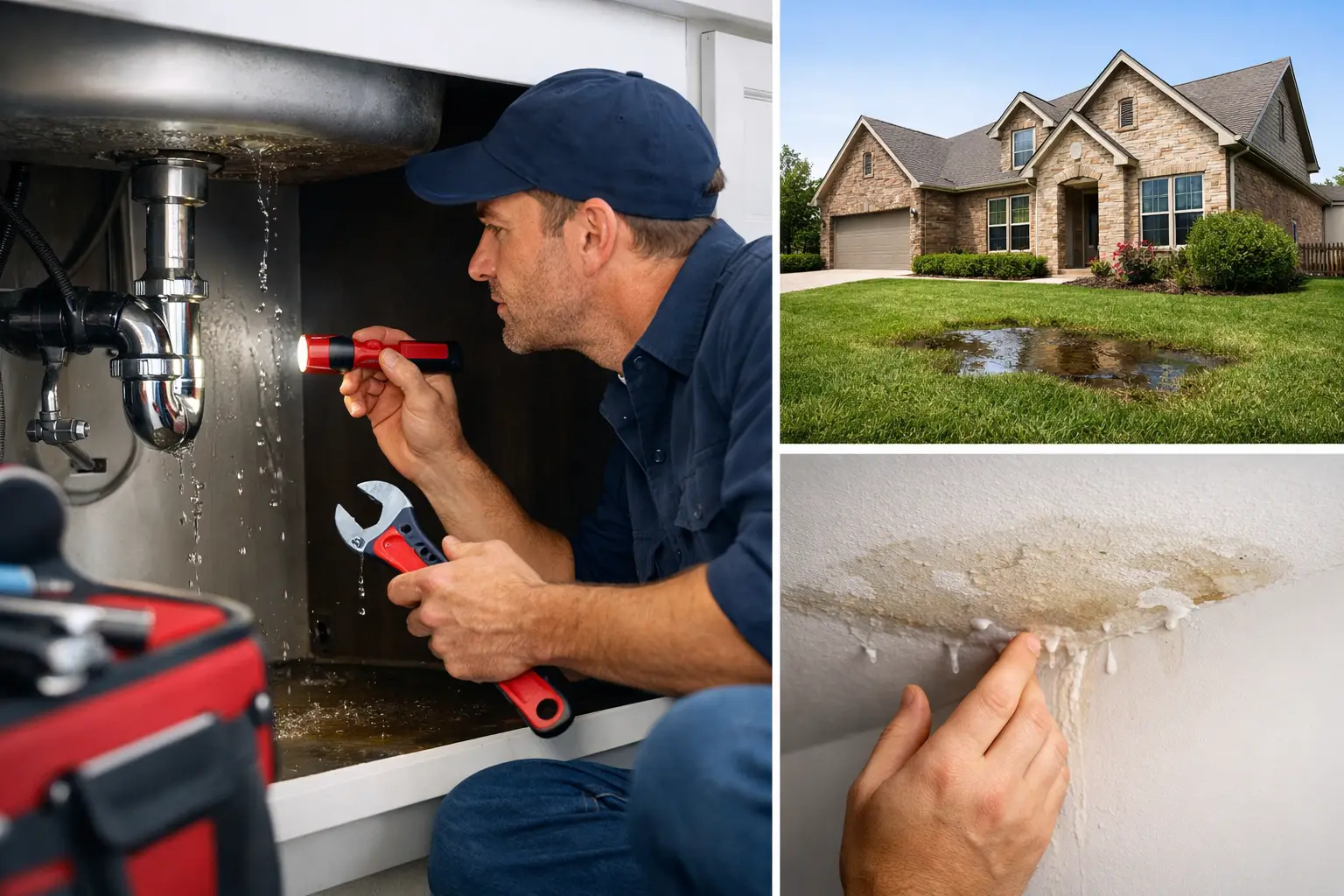
A hidden water leak rarely announces itself with a burst pipe or a flooded floor. More often, it starts with a water bill that is higher than usual, a faint sound of running water when every fixture is off, or a warm spot beneath bare feet. For leak detection Rockwall homes can rely on a professional plumbing inspection to find the source before a small plumbing issue creates major disruption.
Rockwall homes include a mix of established properties and newer construction, and leaks can occur in any of them. Pipe age, shifting soil, worn fixture connections, slab plumbing, and everyday use all play a role. The key is recognizing when a change around the house deserves a closer look.
Signs Your Rockwall Home May Have a Hidden Leak
Some leaks are visible under a kitchen sink or around a toilet supply line. Those should still be addressed promptly, but hidden leaks require more attention because they can continue unnoticed inside walls, ceilings, floors, or beneath a concrete slab.
A sudden increase in water use is one of the clearest warning signs. If household routines have stayed about the same but the water bill has climbed, a leak may be allowing water to run continuously. A leaking toilet flapper, irrigation connection, or underground supply line can all contribute. The bill alone does not confirm the location, but it is a good reason to schedule an evaluation.
You may also hear water moving through pipes after no one has used a faucet, shower, appliance, or toilet. In a quiet home, listen for a persistent hiss, trickle, or the sound of a toilet refilling on its own. These sounds can point to a fixture issue, but they can also indicate water escaping from a pressurized plumbing line.
Changes to floors and walls matter as well. Damp carpet, warped flooring, loose tile, peeling paint, or a discolored ceiling can signal a leak nearby. A warm area on a slab floor can be especially concerning because it may indicate a hot-water line leak below the foundation. Do not assume the visible moisture is directly below the source. Water can travel along framing, pipes, and flooring before it becomes noticeable.
Other signs include reduced water pressure, a musty indoor odor, or a water meter that continues to move when no water is being used. Each issue has other possible causes, so a professional diagnosis is the best way to avoid unnecessary repairs.
Why Leak Detection Matters in Rockwall Homes
Water escaping from a plumbing line can affect more than the pipe itself. Over time, a hidden leak may damage flooring, cabinets, drywall, and structural materials. If the leak is beneath a slab, it can be difficult to identify without the right equipment and experience. Waiting for clearer evidence often means the issue has had more time to spread.
Early leak detection also helps preserve daily routines. A plumbing problem that begins as an unexplained bill may eventually require shutting off water, opening a wall, or repairing a damaged floor. Finding the source sooner gives homeowners more options and allows the repair plan to be based on evidence rather than guesswork.
For property managers and local business owners, a small leak can be equally disruptive. Water use that rises without explanation, recurring damp areas, or tenant reports of low pressure should be evaluated promptly. Addressing the cause protects the property and helps reduce interruptions for occupants.
Slab Leaks Need a Careful Approach
Many North Texas homes are built on slab foundations, which can place water lines beneath concrete. A slab leak is not always obvious. There may be a warm spot on the floor, the sound of water beneath the slab, declining pressure, or moisture around the perimeter of the home. In other cases, the only early clue is an unusual water bill.
A slab leak does not automatically mean extensive demolition. The appropriate repair depends on the line involved, its condition, access, and the exact location of the leak. Accurate detection is the first step because it helps a plumber recommend a repair method that fits the actual problem.
What Professional Leak Detection Involves
Professional leak detection is a process of narrowing down where water is escaping without opening surfaces unnecessarily. A plumber starts by discussing what you have noticed, reviewing the plumbing layout when possible, and inspecting accessible fixtures, supply lines, drains, and water-using appliances.
The water meter is often part of the evaluation. If the meter shows continued water use while fixtures are off, it can support the suspicion of a plumbing leak. Pressure testing may also help determine whether a water line is losing pressure. Depending on the symptoms and access, technicians may use specialized listening equipment, thermal tools, or other noninvasive methods to help locate the source.
The goal is not simply to find moisture. It is to identify the likely failed component and distinguish a supply-line leak from issues such as a drain leak, toilet leak, appliance connection problem, or exterior plumbing concern. That distinction matters because the repair method can be very different.
Once the source is identified, a professional plumber can explain what needs to be repaired, what access may be needed, and what to expect during the work. Clear communication is especially valuable when the leak is hidden beneath a floor or behind a wall.
What to Do When You Suspect a Leak
If you notice active water pooling, a ceiling that is sagging, or water near electrical components, turn off the water if it is safe to do so and contact a plumbing professional right away. For a suspected hidden leak without active flooding, avoid delaying the inspection just because the symptoms seem minor.
You can gather useful details before the appointment. Note when you first saw the issue, whether it changes after using hot water or specific fixtures, and whether the water bill has increased. If you can safely check the water meter with all fixtures off, observe whether it appears to be moving. This information can help guide the inspection, but it should not replace a full diagnosis.
Avoid repeatedly tightening fittings, cutting into walls, or removing flooring to search for the leak yourself. A visible stain or damp area may be far from the actual source, and unnecessary opening can add avoidable repair work. Professional detection is designed to locate the problem with as little disruption as practical.
Common Places Leaks Begin
Leaks can develop at fixture supply connections, toilet components, water heater connections, washing machine hoses, refrigerator water lines, outdoor faucets, and buried water lines. Older pipe materials and corrosion can contribute, while newer homes can still experience installation defects, damaged lines, or failed connections.
Not every leak is constant. Some occur only when a fixture is running, when hot water is in use, or when a drain line carries water. This is another reason an inspection should consider the full plumbing system rather than focusing only on one visible symptom.
When to Call a Rockwall Plumbing Professional
Call for service when a water bill rises unexpectedly, the meter indicates ongoing use, you hear unexplained running water, or you find recurring moisture around floors, walls, or ceilings. It is also wise to call if a toilet runs intermittently, water pressure changes without a clear reason, or a warm spot appears on a slab floor.
MasterTex Plumbing and Drain serves Rockwall-area homeowners and property managers with professional plumbing diagnostics and repairs. A prompt assessment can identify whether the concern is a simple fixture repair or a hidden leak that needs a more targeted solution.
A leak does not need to become an emergency before it deserves attention. Paying attention to small changes in your home and arranging professional help early can keep a plumbing issue from taking over your schedule.