
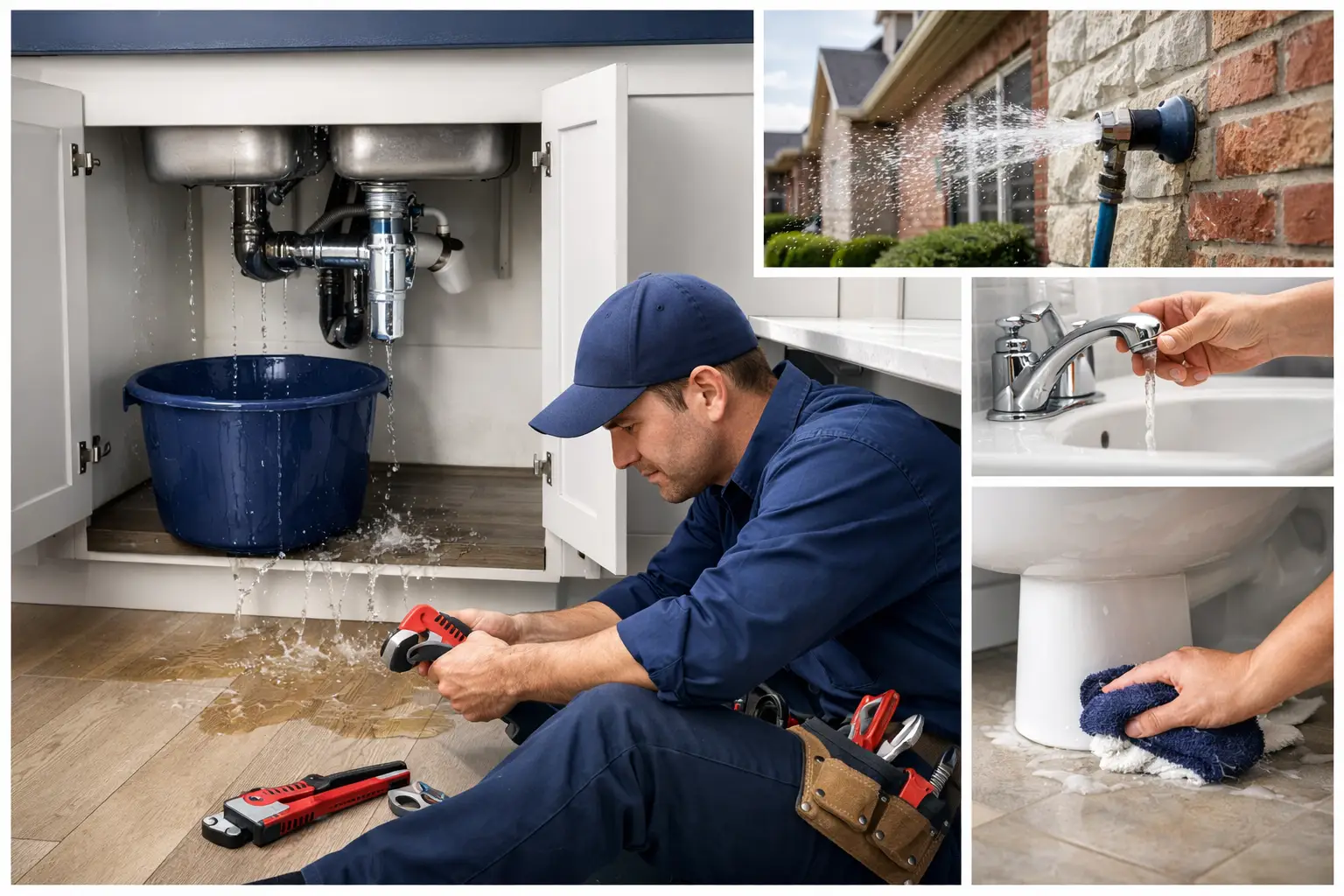
A plumbing problem rarely waits for a convenient time. A slow kitchen drain can turn into a complete backup before a family gathering, while a small leak under a sink can quietly damage a cabinet or floor. When you need a plumber Plano homeowners can depend on, knowing which warning signs call for professional service can help you act before the disruption grows.
Some plumbing issues are obvious, such as water on the floor or a toilet that will not flush. Others develop more gradually through changes in drainage, water pressure, odors, or utility use. The right response depends on the symptom, where it is happening, and whether the problem affects one fixture or several.
1. Your Drain Keeps Clogging
A single clogged sink or shower drain may be limited to that fixture. Hair, soap residue, grease, and food debris can collect inside the drain line and slow the flow over time. If the drain is becoming slower week after week, plunging may offer only short-term relief because the blockage is still deeper in the pipe.
Repeated clogs deserve professional drain cleaning. A plumber can assess the line, remove the buildup, and determine whether the issue is a localized blockage or part of a larger drainage concern. This matters especially when the same drain has been cleared several times without lasting results.
Avoid pouring chemical drain cleaners into the line. These products can be harsh on pipes and may create a safety concern for anyone who later works on the drain. Professional equipment is a more controlled way to address the cause of the clog.
2. More Than One Fixture Is Draining Slowly
When several fixtures are slow at once, the problem may be farther along in the plumbing system. For example, a slow tub drain combined with a gurgling toilet or a backed-up shower can point to a shared drain line restriction. This is not a situation to ignore and hope it resolves on its own.
Pay attention to timing. If a toilet bubbles when the washing machine drains, or water appears in a tub after flushing, stop using unnecessary water and arrange service promptly. Continued use can force wastewater back through the lowest available fixture, creating a mess that is much more difficult to manage.
What to do while waiting for service
Keep water use to a minimum, especially laundry, dishwashing, and long showers. Do not repeatedly flush a toilet that is struggling to clear. If water begins rising or overflowing, turn off the fixture's water supply if it is safe to do so and keep people away from the affected area.
3. You See Water Where It Should Not Be
Visible water around a toilet, under a sink, near a water heater, or beneath an appliance connection should be checked promptly. A loose fitting can sometimes be the source, but recurring moisture may indicate a failing seal, worn component, damaged supply line, or hidden leak.
Even a modest leak can cause trouble if it continues unnoticed. Cabinet materials can swell, flooring can be affected, and the area can become harder to dry thoroughly. The best approach is to identify the source rather than simply wiping up the water and waiting to see if it returns.
If water is actively flowing, turn off the local shutoff valve when available. For a leak that cannot be isolated, the main water shutoff may be necessary. Every homeowner and property manager should know where that valve is located before an urgent plumbing issue occurs.
4. Your Water Pressure Has Changed
A sudden drop in water pressure can make everyday tasks frustrating, but it can also signal a plumbing issue worth investigating. If only one faucet has weak flow, the cause may be limited to that fixture. If low pressure affects multiple faucets, showers, or appliances, a broader assessment may be needed.
Pressure changes are not always caused by the same thing. Mineral buildup at a fixture, a partially closed valve, a leak, or an issue with a water line can produce similar symptoms. That is why a professional inspection is more useful than guessing based on the symptom alone.
On the other hand, unusually high pressure can put extra stress on plumbing components. Banging pipes, dripping relief valves, or frequent supply-line problems are all reasons to have the system evaluated. Correcting the underlying pressure issue can help protect fixtures and connections throughout the property.
5. Your Water Heater Is Sending Clear Signals
Hot water problems are disruptive, particularly in busy households and commercial spaces. No hot water, inconsistent temperatures, discolored water from hot-side fixtures, or unusual noises near the water heater should not be brushed aside as normal aging.
A water heater needs the right diagnosis before repairs or replacement decisions are made. The answer depends on the unit's condition, its capacity for the property, the specific symptom, and the condition of associated plumbing connections. An experienced plumber can explain the practical options clearly so you can make an informed decision.
If you notice water around the water heater, treat it as a priority. Shut off the water supply to the unit if possible and contact a plumbing professional. Waiting can allow a small issue to become a larger leak.
6. Your Toilet Runs, Leaks, or Moves
A running toilet may seem minor, but it can waste a surprising amount of water over time. Sometimes the cause is a worn internal component. In other cases, a toilet that refills often, flushes weakly, leaks at the base, or rocks when used may need more detailed attention.
Water at the base of a toilet is never something to overlook. The source could be from the toilet itself, a connection, or another nearby plumbing issue. Do not caulk around the base to hide the moisture before the source has been identified. The visible water is a useful warning sign, and covering it can delay a needed repair.
For property managers, recurring toilet problems can quickly become tenant concerns and operational interruptions. Addressing them early helps protect the space and keeps the issue from becoming an after-hours emergency.
7. You Smell Persistent Drain Odors
A brief odor after a rarely used drain has dried out can have a simple explanation, but persistent sewer-like or musty odors need attention. Smells from a sink, shower, floor drain, or utility area may be tied to buildup in the drain, a venting concern, or a plumbing connection that needs repair.
The location of the odor matters. Note whether it is strongest near one fixture, appears after water use, or is noticeable in multiple rooms. Those details help a plumber narrow the diagnosis and avoid unnecessary work.
Choosing a Plumber in Plano for the Right Job
The best time to call is before a manageable plumbing issue turns into property damage or a full interruption of service. Look for a provider that clearly serves Plano, communicates what it finds, and has the equipment to address both plumbing repairs and drain problems. A clear explanation of the condition, recommended work, and next steps should be part of the service experience.
MasterTex Plumbing and Drain serves Plano homeowners, property managers, and local businesses with professional plumbing and drain cleaning support. Whether the concern is a stubborn clog, a leaking fixture, a water heater issue, or a sudden drainage backup, prompt attention can make the repair more straightforward.
If something in your plumbing system has changed, trust that signal. A quick call for professional guidance can protect your home or property, reduce inconvenience, and help restore normal use with confidence.