
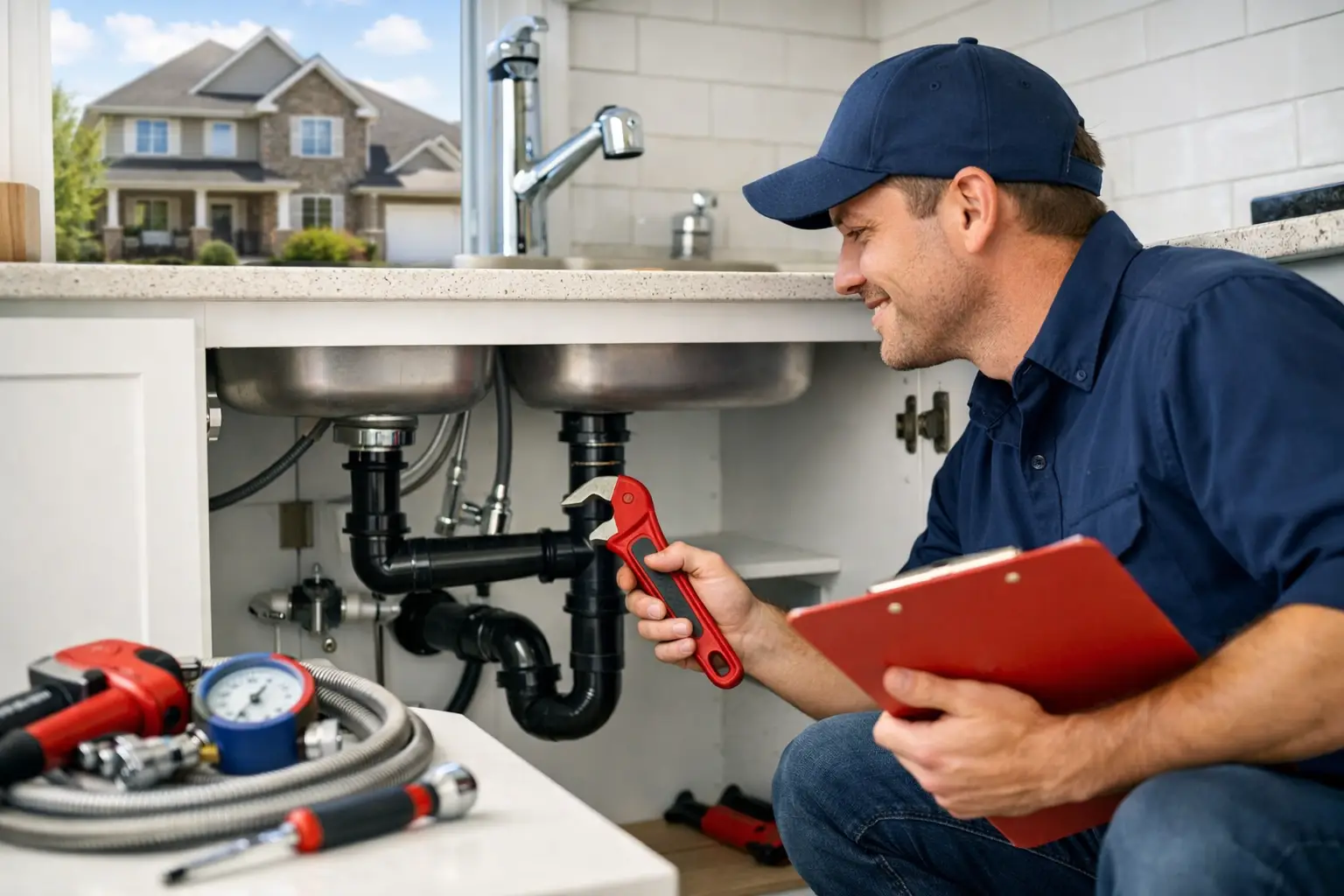
A beautiful kitchen, fresh paint, and a clean home inspection report can make a house feel ready to buy. But a plumbing inspection before buying a house looks beyond what is visible during a walkthrough. It can reveal drain line damage, aging water heaters, hidden leaks, poor repairs, and other issues that may become your responsibility shortly after closing.
For buyers in Plano, McKinney, Allen, Rockwall, and nearby North Texas communities, a dedicated plumbing evaluation is a practical way to make a more informed decision. A general home inspection is valuable, but it is not designed to test every fixture, trace every pipe, or inspect the condition of buried drain lines in detail.
Why a Plumbing Inspection Before Buying a House Matters
Plumbing problems are often easy to miss because much of the system is behind walls, under floors, in attics, or underground. A faucet may run normally for a few minutes while a slow drain, corroded supply line, or aging connection remains hidden. By the time a problem becomes obvious, it may require urgent service and disrupt daily life.
A professional plumbing inspection gives you a clearer picture of the home's working systems before the transaction is final. The goal is not to find a reason to walk away from every older home. Many homes have minor plumbing needs that are normal for their age. The value is knowing what needs attention, how soon it may need attention, and whether the condition should be addressed before closing.
This is especially useful when a property has been vacant, recently remodeled, or sold as-is. Vacant homes may have fixtures that have not been used regularly. Recent cosmetic work can also make it harder to see signs of previous leaks or drainage issues.
What a Professional Plumbing Inspection Can Include
The scope depends on the home, its age, and visible conditions. A qualified plumber may assess accessible plumbing components, run water at fixtures, check drainage performance, and look for signs that point to larger concerns.
Water Supply Lines and Shutoff Valves
Supply lines carry water to sinks, toilets, appliances, and fixtures. During an inspection, a plumber can look for corrosion, outdated materials, active drips, and stressed or poorly installed connections. They may also check whether main and fixture shutoff valves operate as expected.
A shutoff valve that will not turn is not always an emergency, but it can be a major inconvenience when a repair is needed later. Catching that issue before purchase gives you a chance to plan for replacement rather than discover it during a leak.
Fixtures, Toilets, and Water Pressure
Sinks, tubs, showers, and toilets should be tested for normal flow, drainage, and operation. Slow drains, recurring toilet movement, weak flow, and unusual noises can all provide useful clues. A single slow sink may be a simple localized issue. Multiple slow fixtures, however, can suggest a drain system concern worth investigating further.
Water pressure also requires context. High pressure can place added strain on plumbing components over time, while low pressure can have several possible causes. A plumber can help distinguish between a fixture-specific issue and a condition affecting more of the home.
Water Heater Condition
The water heater is one of the most significant plumbing appliances in a home. An inspection may include a review of its approximate age, visible condition, connections, drain pan, venting where applicable, and signs of leakage or corrosion.
An older water heater does not automatically need immediate replacement. Its condition, maintenance history, and performance matter. Still, knowing that a water heater is near the end of its expected service life helps a buyer avoid surprises after moving in.
Drain and Sewer Line Evaluation
The drain system carries wastewater away from the home, and problems here can be expensive and disruptive. If there are signs of recurring backups, slow drains throughout the house, drain odors, large trees near the line path, or an older property with unknown pipe material, a camera inspection may be recommended.
A sewer camera allows a plumber to view the inside of an accessible drain line and identify concerns such as cracks, offsets, buildup, root intrusion, or damaged sections. Not every buyer needs a camera inspection on every home. It is often most valuable when the property's age, drainage behavior, or inspection findings raise questions.
Red Flags to Watch for During Your Walkthrough
You do not need plumbing expertise to notice conditions worth bringing to a professional's attention. Start by looking under sinks and around toilets for staining, warped cabinet bottoms, corrosion, or fresh moisture. Run faucets long enough to see whether the drain keeps up, and flush toilets more than once.
Pay attention to water stains on ceilings or walls, musty plumbing odors near drains, discolored caulk around tubs, and areas of unusually soft flooring. These signs do not always mean there is an active plumbing failure. They do mean the condition deserves a closer look before you commit.
Outside, note standing water near the foundation, unusually green patches of grass, or exterior hose connections that leak when turned on. An experienced plumber can determine whether the issue is minor maintenance or part of a larger repair need.
When to Schedule the Inspection
The best time is during the option or inspection period, after your offer is accepted and before you lose the opportunity to request repairs or reconsider the purchase. Coordinate with your real estate agent and the seller's access requirements so the plumber has enough time to evaluate the system properly.
If the general home inspector identifies plumbing concerns, do not assume the report provides the final answer. General inspectors are trained to identify visible conditions and recommend further evaluation when needed. A plumbing specialist can perform a more focused assessment and explain the practical next steps.
For an older home, a house with mature landscaping, or a property that has been remodeled, scheduling a plumbing inspection early in the inspection period is particularly helpful. It leaves room for any follow-up evaluation, including a camera inspection if warranted.
Questions to Ask the Plumber
A good inspection should leave you with clear, usable information rather than a vague list of concerns. Ask what was inspected, what could not be accessed, and whether any findings require prompt attention. You can also ask which items are routine maintenance, which should be repaired soon, and which issues may affect daily use of the home.
If a camera inspection is performed, ask for an explanation of what the footage shows and where the concern is located. Understanding the difference between minor buildup and a damaged line matters when you are weighing repair discussions with the seller.
It is also reasonable to ask whether the plumbing materials and visible installation appear consistent with the home's age. Older materials are not necessarily failing, but they can affect future maintenance planning.
Use the Results to Make a Clear Decision
Inspection findings are information, not a verdict. A home with a worn fixture, slow sink drain, or aging water heater may still be an excellent purchase if you understand the condition and plan accordingly. More serious findings, such as active leaks or damaged drain lines, deserve detailed discussion before closing.
Keep the report and any camera findings with your home records after purchase. They provide a useful baseline for future maintenance and help the next plumber understand the history of the system.
If you are purchasing a home in the North Texas area and want a focused evaluation of its plumbing and drains, MasterTex Plumbing and Drain can help you identify concerns in plain language. A little clarity before closing can make move-in day feel like the beginning of homeownership, not the start of an unexpected repair project.