
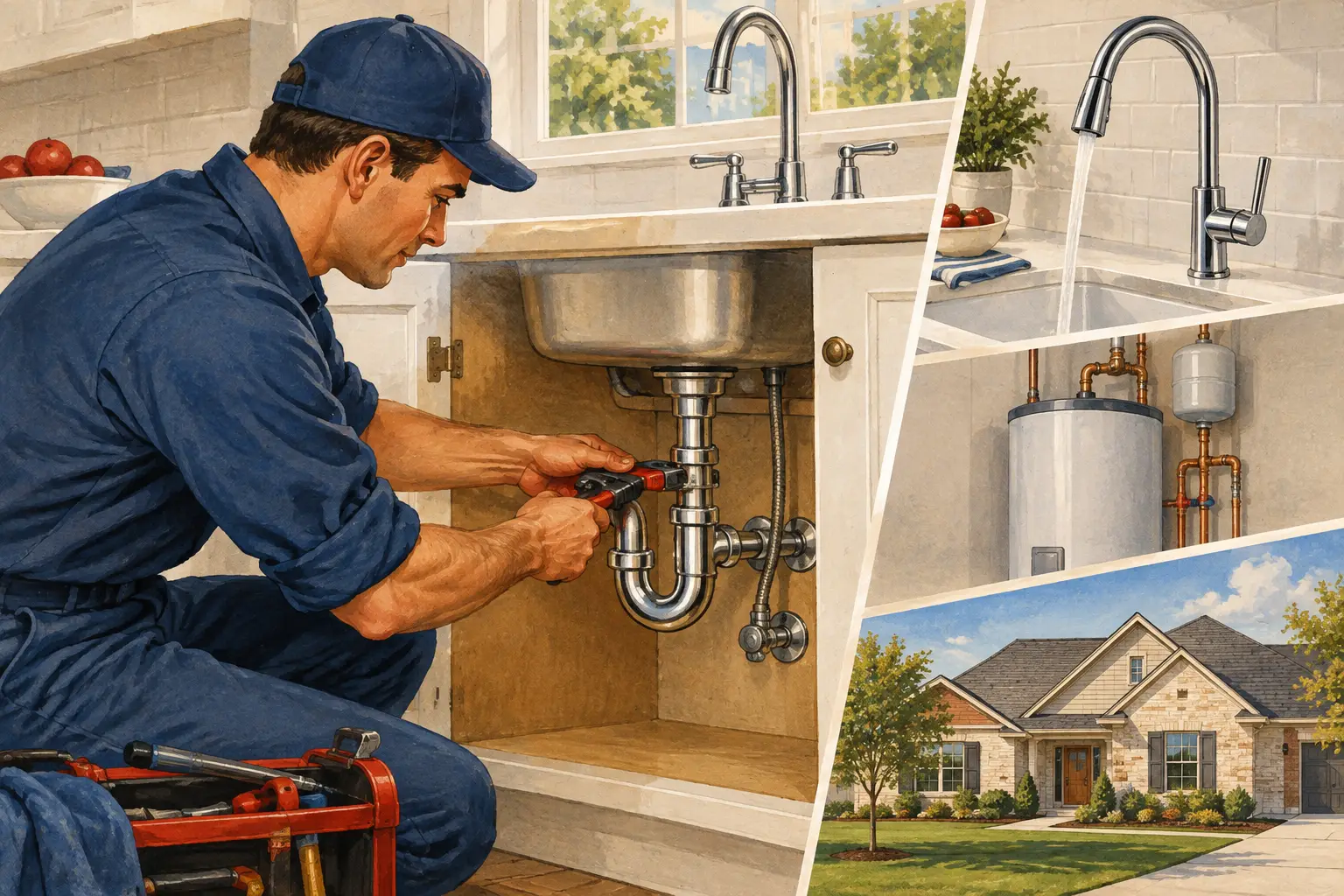
A dripping faucet, slow kitchen drain, or aging water heater can feel like a small maintenance issue while you live in a home. When it is time to sell, those details can become questions from buyers, inspectors, and agents. The right plumbing upgrades for resale are not always the most expensive ones. They are the repairs and improvements that make the home feel cared for, functional, and ready for its next owner.
For homeowners in Plano, McKinney, Rockwall, Royse City, and surrounding North Texas communities, the best timing is usually before the home is listed. That gives you time to address real concerns without making rushed decisions during negotiations.
Start With Plumbing Condition, Not Cosmetic Changes
A new bathroom faucet can improve the appearance of a vanity, but resale preparation should begin with the parts buyers cannot always see. A plumbing system that works properly gives buyers more confidence than decorative upgrades placed over an unresolved leak or drainage problem.
Start by looking for signs that warrant professional attention: recurring drain clogs, water stains below sinks, inconsistent water pressure, toilets that run after flushing, visible corrosion on supply lines, or a water heater nearing the end of its expected service life. These are not automatic reasons to replace everything. They are reasons to understand the condition of the system before deciding where to invest.
A professional plumbing evaluation can help separate minor corrections from larger concerns. For example, a slow drain may be a localized buildup that can be cleared, while repeated backups in several fixtures can point to a deeper drain line issue. Correct diagnosis matters because a surface-level fix may not resolve the condition a buyer later discovers.
Plumbing Upgrades for Resale That Buyers Notice
Buyers tend to respond well to improvements they can see, use, and understand. The most valuable plumbing work often combines reliability with a clean, finished appearance.
Repair leaks and replace worn connections
Small leaks create outsized concern during a sale. A drip beneath a bathroom sink, moisture around a toilet base, or a leaking exterior faucet can suggest neglected maintenance even when the repair itself is simple. Fixing active leaks before listing helps protect cabinets, flooring, and finishes while showing that essential systems have received attention.
Older shutoff valves and deteriorated supply lines are also worth having inspected. These components are easy to overlook because they are hidden inside cabinets or behind appliances, yet they can become an issue during a buyer inspection. When replacement is appropriate, professionally installed valves and supply connections offer a practical improvement without changing the character of the home.
Address drains that are slow, noisy, or unreliable
A kitchen sink that drains slowly or a shower that backs up is immediately noticeable during a showing. Buyers may test faucets, flush toilets, and run water while evaluating the home. A drain that does not perform normally can raise questions about the entire plumbing system.
Professional drain cleaning can restore proper flow when buildup is the issue. If there is a history of recurring blockages, a camera inspection may be useful to identify the source before listing. The goal is not to replace a drain line without evidence. It is to avoid presenting a known problem as a minor inconvenience when it may require a more complete solution.
Update aging fixtures when the rest of the room supports it
Fixtures can be a sensible resale upgrade when they are visibly worn, damaged, difficult to operate, or mismatched with an otherwise updated bathroom or kitchen. A leaking faucet, cracked toilet tank, or heavily corroded fixture may distract from a room that is otherwise in good condition.
Choose durable, straightforward fixtures with finishes that fit the home's existing style. Buyers usually respond better to a cohesive room than to one statement fixture that looks out of place. Keep function at the center of the decision: faucets should operate smoothly, toilets should flush correctly, and new fixtures should be installed without leaks or loose connections.
Consider the water heater's age and performance
The water heater is one of the first mechanical items a buyer may ask about. If it is operating reliably and has been maintained, replacement may not be necessary simply because the home is going on the market. However, visible corrosion, leaking, inconsistent hot water, or advanced age can make it worth discussing replacement with a plumbing professional.
A new water heater can be a reassuring improvement when an existing unit has a legitimate performance or condition issue. Keep documentation for any professional installation and maintenance work. Clear records help buyers understand what was completed and when.
Do Not Ignore the Inspection Risks
Home inspections do not require a house to be perfect. They do often identify conditions that deserve repair, further review, or buyer consideration. Preparing ahead can reduce the chance that a manageable plumbing issue becomes a last-minute negotiation point.
Common concerns include active leaks, loose toilets, missing or malfunctioning shutoff valves, improper drainage, damaged exposed piping, and water heater conditions. Some findings are minor and expected in an older home. Others can indicate a need for repair before closing. A pre-listing plumbing service visit gives sellers a clearer picture and allows them to choose an appropriate response on their own schedule.
Avoid the temptation to hide a plumbing issue with quick cosmetic work. Fresh caulk around a tub does not correct a leak behind the wall, and a drain that is temporarily cleared without addressing its cause may clog again during a critical point in the sale. Reliable repairs protect the home and support a more straightforward transaction.
Where Sellers Can Avoid Overspending
Not every plumbing project will improve a sale enough to justify doing it before listing. Full bathroom remodels, major fixture changes, and broad repiping projects should be based on the home's condition, local market expectations, and advice from qualified professionals, not on the assumption that every upgrade produces the same return.
If the plumbing system is functioning well, focus first on repairs, maintenance, and visible condition. Replace what is failing, leaking, unsafe to operate, or clearly outdated relative to the rest of the property. Leave purely personal design choices for cases where they fit a broader kitchen or bathroom update.
It also helps to consider the home's price range and competition. In a well-maintained property, small details such as a properly secured toilet, clean drains, dependable hot water, and leak-free fixtures can reinforce the overall impression of quality. In a home that needs extensive renovation, buyers may expect to select finishes themselves, making major cosmetic plumbing upgrades less useful.
Plan the Work Before the Listing Goes Live
Selling on a tight timeline can turn an ordinary repair into a stressful scheduling problem. If you are considering listing within the next few months, inspect visible plumbing areas now. Check under sinks, around toilets, near the water heater, and at exterior faucets. Pay attention to odors, moisture, unusual sounds, and drains that require repeated plunging.
Then arrange professional service for any concerns. MasterTex Plumbing and Drain can help homeowners identify and address plumbing and drain issues before they interfere with a sale. Completing necessary work early gives you time to confirm that repairs are performing as expected and to keep records available if questions arise.
A home does not need expensive plumbing changes to make a strong impression. It needs systems that work as they should, repairs completed correctly, and fewer unanswered questions for the people considering it. Address the known issues now, and let buyers focus on the home rather than the plumbing problems they may inherit.