
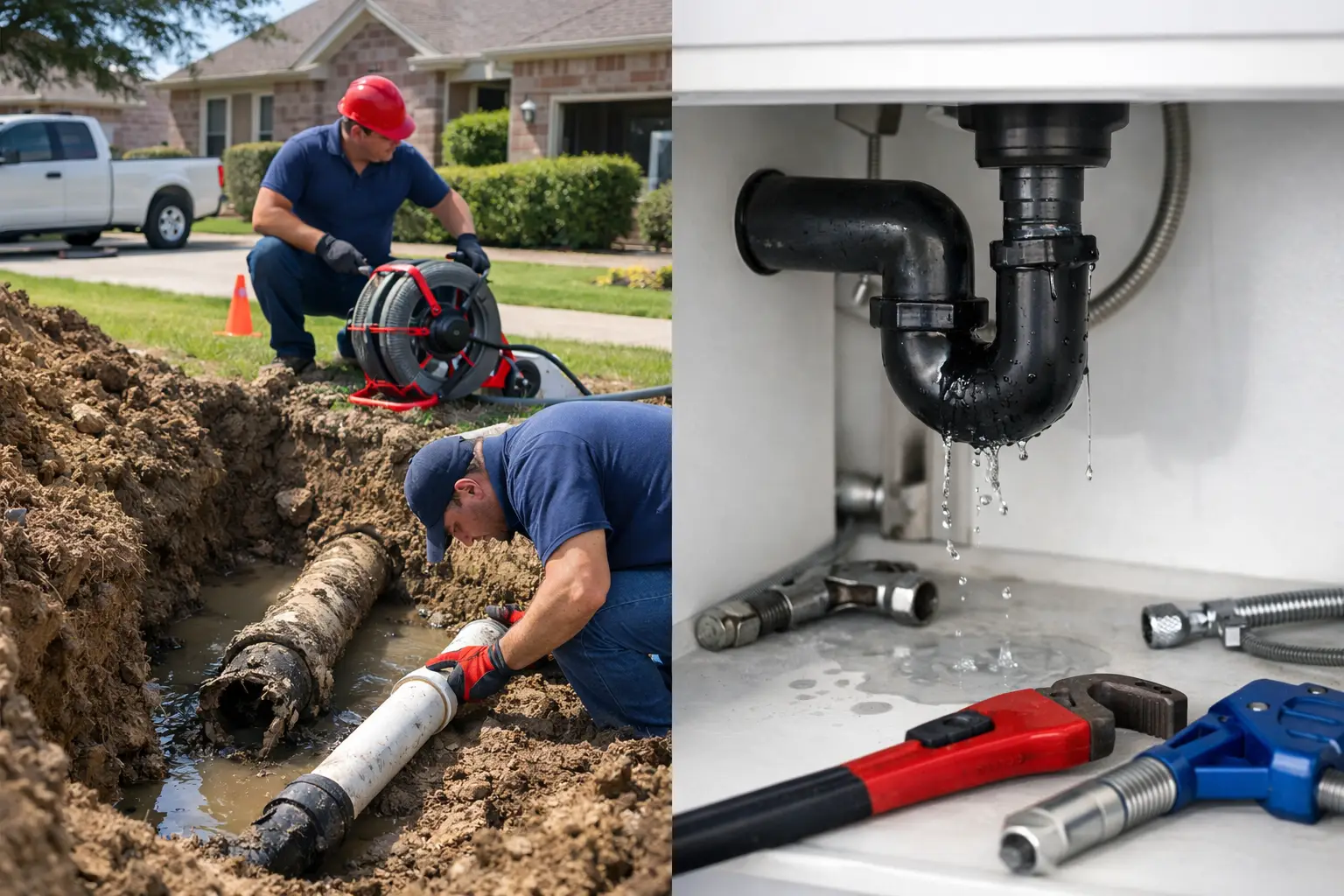
A toilet that gurgles when the washing machine drains is not just an annoying sound. When multiple fixtures begin acting up at once, the issue may be farther down the plumbing system than a single clogged sink. Prompt sewer line repair in Irving can protect your home from wastewater backups, avoid worsening pipe damage, and restore the dependable drainage your household or business needs.
A sewer-line problem does not always begin with a dramatic backup. It often starts with small, inconsistent signs that are easy to dismiss. Knowing what those signs mean helps you make a better decision about when to call a professional plumber.
Signs You May Need Sewer Line Repair in Irving
Your home has several individual drain lines, but they eventually connect to one main sewer line. A clog in one bathroom sink may be isolated to that fixture. A blockage or damaged section in the main line can affect drains across the property.
Watch for a pattern, especially if it becomes more frequent. Common warning signs include:
- Toilets that bubble, gurgle, or change water level after another fixture drains
- Slow drainage in more than one sink, tub, shower, or toilet
- Water or wastewater backing up into a tub, shower, floor drain, or other low fixture
- Persistent sewer-like odors near drains, in the yard, or around the foundation
- A drain issue that returns soon after clearing
One slow drain does not automatically mean the sewer line has failed. Hair, soap buildup, food debris, and other everyday materials can block a branch drain. The concern increases when multiple fixtures are involved or when a low drain backs up after a toilet is flushed or laundry is run. That is when an accurate inspection matters more than repeated temporary fixes.
Why Main Sewer Lines Develop Problems
Sewer lines work out of sight, but their condition is affected by age, soil movement, usage, and the materials that enter the plumbing system. In many North Texas properties, shifting ground can place stress on buried piping and its connections over time.
Older homes may have pipe materials that are more vulnerable to cracking, corrosion, offset joints, or deterioration. Even newer systems can develop trouble if a pipe was damaged, improperly installed, or affected by ground movement. Tree roots also seek moisture and can enter through small openings in a sewer line. Once inside, roots can catch paper and debris until flow becomes restricted.
A blockage can also result from materials that should not be flushed or washed down a drain. Grease can cool and collect inside kitchen piping. Wipes, paper towels, hygiene products, and other non-flushable items can snag in the line and create a stubborn obstruction. The practical lesson is simple: a recurring backup deserves a diagnosis rather than another round of plunging.
The First Step Is Finding the Actual Cause
The right repair depends on what is happening inside the line. A professional sewer evaluation may include testing the affected fixtures, checking accessible cleanouts, and using a sewer camera to inspect the pipe interior. Camera inspection can reveal whether the problem is a buildup, root intrusion, a separated joint, a cracked section, a sagging pipe, or another condition.
This step prevents guesswork. For example, a line narrowed by roots may need thorough cleaning and a plan for addressing the opening that allowed roots in. A pipe that has collapsed or separated will not be corrected by drain cleaning alone. Likewise, a one-time buildup may not require extensive repair after the line is properly cleared and inspected.
Clear communication should follow the inspection. Property owners should understand where the issue is located, what the camera or testing showed, which repair approaches fit the condition, and what disruption may be involved. The most appropriate option is not always the largest repair. It is the one that addresses the verified cause and provides a practical path forward.
Repair Options Depend on the Pipe Condition
There is no single answer for every sewer line. The pipe material, location, extent of damage, access points, and severity of the obstruction all affect the scope of work.
Professional Drain Clearing
When the pipe itself is intact and the issue is a blockage, professional clearing may restore normal flow. Equipment designed for main sewer lines can remove accumulated debris and certain root intrusions more effectively than a basic household plunger. A camera inspection after clearing can be useful when the issue has happened more than once, since it helps determine whether a hidden pipe defect remains.
Targeted Sewer Line Repair
If the inspection identifies a limited damaged section, a targeted repair may be the sensible approach. This can involve accessing the affected area, replacing compromised piping, and restoring the line connection. It is often appropriate when damage is concentrated rather than spread throughout the system.
Replacement of a Failing Line
When a sewer line has widespread deterioration, repeated root intrusion through multiple joints, significant offsets, or structural failure, replacement may be recommended. This is a larger project, but continuing to clear a line that is structurally failing can lead to repeated service calls and ongoing disruption. A qualified plumber can explain the trade-offs between repairing a section and replacing a line that has reached the end of its useful condition.
The goal is not to assume the worst from the first symptom. It is to match the solution to the evidence found during diagnosis.
What to Do When You Notice a Backup
If wastewater is backing up into a shower, tub, or floor drain, stop using water throughout the property as much as possible. Avoid flushing toilets, running the dishwasher, starting laundry, or taking a shower until the cause is assessed. Additional water can add to the backup and make cleanup more difficult.
Keep children and pets away from the affected area, and avoid trying to force the blockage with improvised tools. Household drain products are not a reliable answer for a main sewer issue and can create additional concerns for the plumbing system and the technician working on it. A professional evaluation is the safer next step when there is a suspected main-line obstruction or backup.
For a business or managed property, respond quickly and document which fixtures are affected and when the problem began. This information can help the plumber identify whether the issue is isolated to a unit, a branch line, or the main building sewer.
Preventing Repeat Sewer Problems
Some sewer issues are caused by aging or damaged pipes and cannot be prevented with routine habits alone. Still, thoughtful use of drains can reduce avoidable clogs. Keep grease and food scraps out of kitchen drains, use bathroom drains as intended, and flush only toilet paper and human waste.
Pay attention after a professional clearing as well. If a drain slows again within a short period, or if gurgling and backups return, do not assume it is unrelated. Recurrence can be a sign that roots, pipe damage, or another underlying condition remains. Early follow-up is usually less disruptive than waiting for a full backup.
Choosing a Plumber for a Sewer Line Issue
Sewer work requires more than clearing a visible drain. Look for a plumbing professional who can evaluate the full system, explain findings in plain language, and recommend work based on the actual condition of the line. The contractor should be prepared to discuss access, likely disruption, and what to expect before work begins.
For homeowners, property managers, and small businesses, responsiveness matters when drains stop working. MasterTex Plumbing and Drain focuses on professional plumbing and drain service with clear communication, helping customers understand the issue before moving forward with a repair plan.
A sewer problem rarely improves by being ignored. If several drains are slowing, toilets are gurgling, or water is backing up at a low fixture, arranging a professional inspection now can turn an uncertain plumbing problem into a clear next step.