
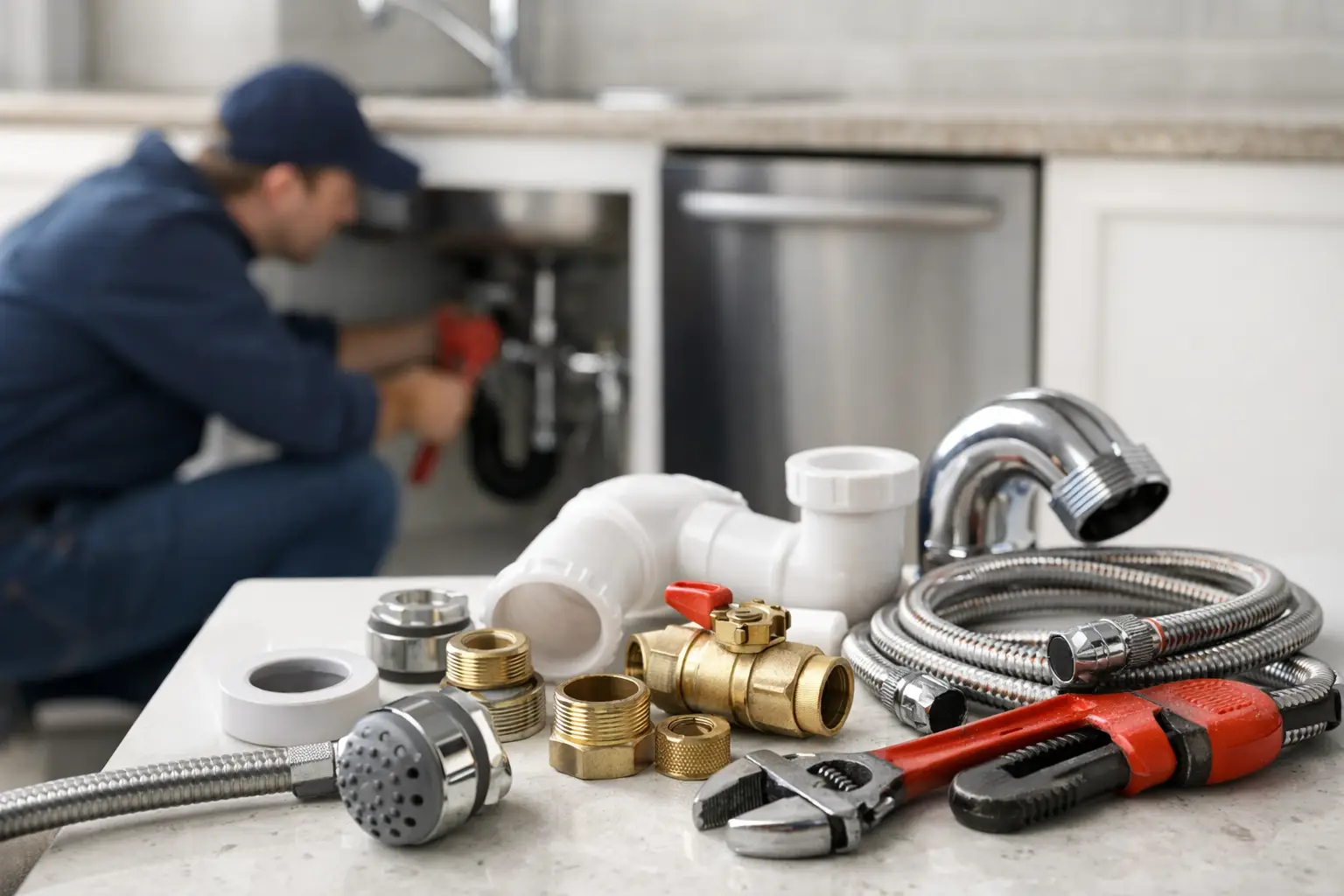
A leaking water heater, a backed-up kitchen sink, and a toilet that will not stop running may all feel like separate problems, but they usually fall under the same question: what does plumbing services include? For most homeowners and property managers, the answer is broader than expected. Plumbing service is not just fixing a pipe after it bursts. It covers the systems that bring clean water in, move wastewater out, and keep fixtures working safely and efficiently.
If you are trying to decide whether to call a plumber, it helps to understand the full scope of the work. Some jobs are clearly urgent, while others are preventive or part of a remodel. Knowing the difference can save time, avoid property damage, and help you call for the right service the first time.
What does plumbing services include for most properties?
In practical terms, plumbing services usually include repair, replacement, installation, inspection, and maintenance of water, drain, and gas-connected plumbing fixtures and piping. That can apply to a single-family home, a rental property, a restaurant, an office suite, or a small retail space.
The exact service list varies by company. Some plumbing companies focus heavily on residential work, while others take on larger commercial systems or specialty projects. But most professional plumbers handle the core issues people deal with every week - leaks, clogs, broken fixtures, water heater problems, sewer line concerns, and routine plumbing updates.
For customers in North Texas, that often means calling for a mix of urgent and everyday needs. A sudden slab leak needs fast attention. A slow drain may seem minor, but it can point to a deeper blockage in the line. A new faucet installation may be simple, but poor installation can still lead to leaks behind the wall or under the sink.
Common plumbing repair services
Repair work is the service most people think of first, and for good reason. Plumbing systems wear out. Parts loosen, seals fail, corrosion develops, and drain lines collect buildup over time. A plumber is typically called to diagnose the issue, locate the source, and complete the repair with the right parts and methods.
Leak repair is one of the most common calls. That can involve dripping faucets, leaking angle stops, pipe joint failures, damaged supply lines, or hidden water leaks behind walls and under floors. Some leaks are easy to spot. Others show up first as high water bills, musty smells, warped flooring, or water stains on ceilings.
Toilet repair is another standard service. A running toilet may waste a surprising amount of water, while a toilet that clogs repeatedly could indicate either a fixture issue or a drain problem further down the line. Plumbers also repair garbage disposals, hose bibs, shutoff valves, pressure regulators, and broken sink drains.
Not every repair is equal in urgency. A dripping faucet can usually wait a little. A burst pipe, overflowing toilet, or active water leak inside a wall usually cannot.
Drain cleaning and blockage removal
Drain problems sit at the center of many plumbing calls, especially in kitchens, bathrooms, and utility areas. Hair, grease, soap residue, food waste, and foreign objects all contribute to clogs. Over time, even a slow drain can turn into a full backup.
Professional plumbing services often include drain cleaning for sinks, tubs, showers, floor drains, and main sewer lines. The approach depends on the severity and location of the blockage. In some cases, basic snaking is enough. In others, a camera inspection or hydro jetting may be the better option, especially when the issue keeps returning.
This is one area where it depends on the real cause. A simple clog near the fixture is different from tree root intrusion in a sewer line. Chemical drain cleaners may seem like a quick fix, but they often do not solve the full problem and can be hard on pipes. A proper diagnosis matters more than a temporary opening of the line.
Water heater services
Water heater work is a major part of modern plumbing service. That includes tank water heaters, tankless systems, gas units, and electric models. Plumbers commonly handle repairs, replacements, new installations, flushing, and troubleshooting performance issues.
If your water is not getting hot enough, runs out too quickly, smells unusual, or changes color, a plumber can inspect the unit and the connected plumbing. Some problems are repairable, such as failed heating elements, thermostat issues, pilot problems, or sediment buildup. Other times, replacement makes more sense because of age, corrosion, or repeated failure.
There is usually a cost trade-off here. Repairing an older unit may restore hot water for now, but if the system is near the end of its service life, replacement may be the more practical long-term choice. The best decision depends on the unit's condition, age, and performance history.
Fixture installation and replacement
Plumbing services also include installing and replacing everyday fixtures. This covers faucets, sinks, toilets, shower valves, bathtubs, garbage disposals, and outdoor spigots. In homes and small businesses, fixture work often comes up during remodeling, property turnover, or after a part breaks beyond repair.
Even when a fixture looks straightforward, installation quality matters. A poorly set toilet can leak around the base. An improperly connected faucet can cause slow drips that damage the cabinet below. A disposal installed without attention to the drain configuration can lead to ongoing drainage issues.
For property managers and business owners, fixture replacement is often about reliability as much as appearance. Upgrading worn plumbing fixtures can reduce service calls, lower water waste, and make the property easier to maintain.
Pipe, water line, and sewer line services
Some of the most serious plumbing work happens behind walls, under slabs, or underground. Plumbing services often include pipe repair, repiping, water line repair, sewer line diagnostics, and sewer line replacement.
A damaged water line can affect pressure, water quality, and daily usability. A sewer line problem can cause recurring backups, foul odors, and sanitation concerns. These are not problems to guess at. They require proper inspection and, in many cases, specialized equipment to identify the exact issue.
In older properties, repiping may be recommended if leaks are becoming frequent or if the existing material is outdated and failing. That is a larger project, but sometimes repeated spot repairs stop making financial sense. On the other hand, not every old pipe system needs full replacement. A targeted repair may be enough if the rest of the system is still in good shape.
Inspections, maintenance, and plumbing upgrades
Not all plumbing service calls happen after something goes wrong. Preventive maintenance and inspection work are part of the field too. This can include checking for hidden leaks, testing water pressure, inspecting shutoff valves, evaluating water heaters, and identifying drain issues before they turn into backups.
Maintenance is especially useful for rental homes, commercial spaces, and older houses where a small issue can become expensive quickly. A plumbing inspection before buying a property or starting a renovation can also help avoid surprises.
Upgrade work is another common category. Customers may add a new water line for a refrigerator, replace outdated fixtures, move plumbing during a kitchen or bathroom remodel, or improve efficiency with newer water-saving fixtures. These jobs are less urgent than emergency repairs, but they still require code-compliant work and solid installation.
Emergency plumbing and when to call right away
Many plumbing companies offer urgent or emergency service because some problems simply cannot wait until next week. If water is actively leaking, a drain is backing up into the property, the water heater is failing dangerously, or a sewer issue is affecting health and safety, immediate service is the smart move.
If you are not sure whether a problem is urgent, ask yourself two questions. Is the issue causing active damage right now? Is it preventing safe use of the property? If the answer is yes to either, it is worth calling promptly.
For homeowners and businesses across the Dallas-Fort Worth area, responsiveness matters just as much as technical skill. That is why many customers look for a local company like MasterTex Plumbing and Drain that can handle both everyday plumbing needs and fast-response service when the problem cannot wait.
What plumbing services may not include
This part is worth clarifying because assumptions can cause delays. Plumbing companies do not always handle every related trade. Depending on the company and the job, drywall repair, tile replacement, major excavation restoration, and electrical work tied to a plumbing repair may fall outside the plumbing scope.
That does not mean the plumber cannot complete the plumbing portion. It simply means some projects require coordination with other trades after access or repairs are finished. The more complex the issue, the more likely that becomes.
A good plumbing company will explain what is included, what is not, and what the next step looks like. That clarity matters, especially when you are dealing with water damage or a time-sensitive repair.
If you have a plumbing problem and are wondering whether it counts as a service call, the safest answer is simple: if it affects your water, drains, fixtures, sewer line, or hot water system, it is probably within a plumber's scope. A quick call can usually tell you whether the issue needs repair, replacement, cleaning, or a closer inspection - and that is often the fastest way to get your day back on track.