
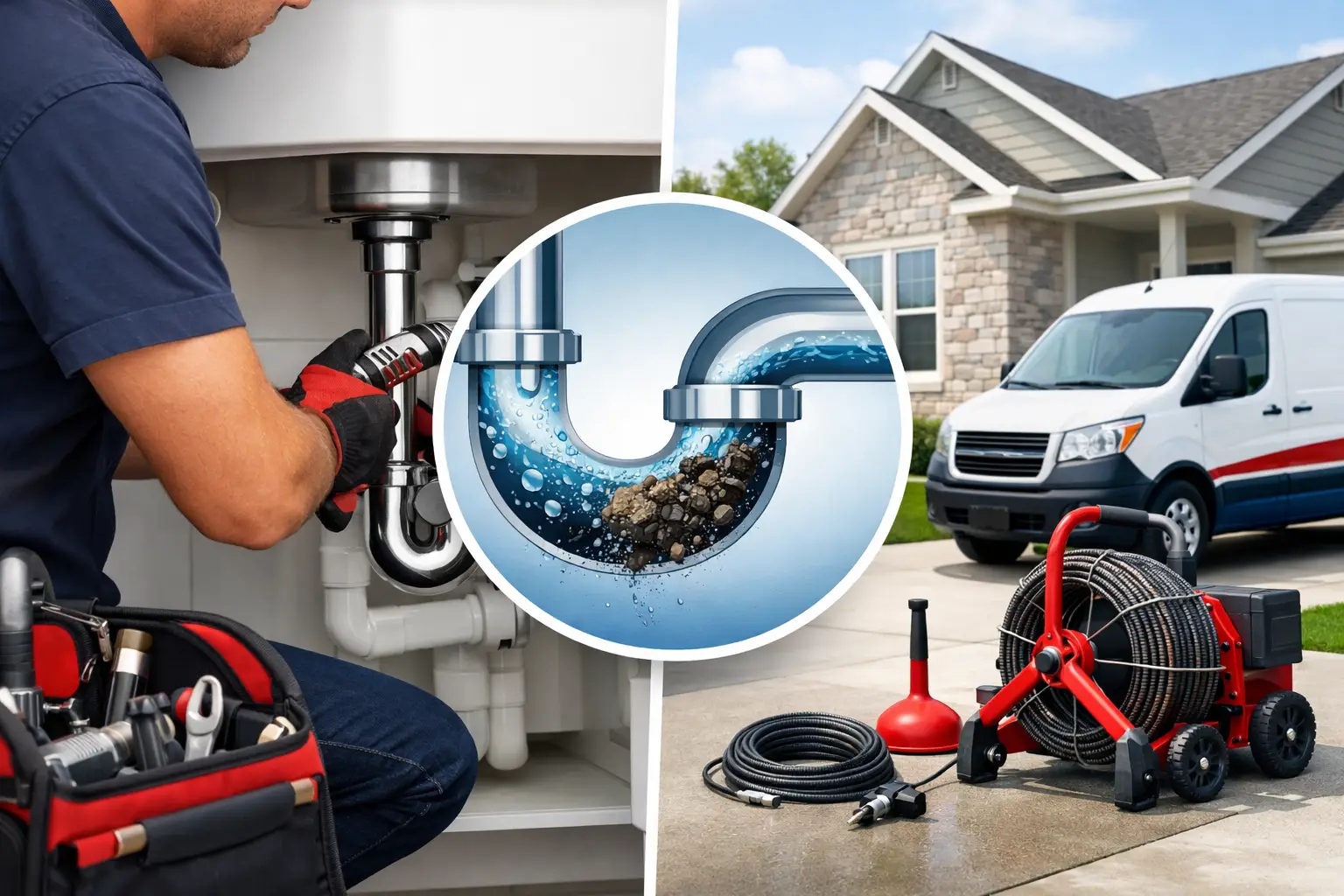
A drain that gurgles today can become a backup tomorrow. If you are dealing with slow sinks, standing water, recurring clogs, or unpleasant odors, you may be wondering what is drain cleaning and whether it is different from simply clearing a blockage. It is - and that difference matters when you want the problem handled correctly instead of temporarily masked.
Drain cleaning is the process of removing buildup, debris, grease, sludge, soap residue, hair, and other obstructions from a drain line so wastewater can flow normally again. In many cases, it also involves cleaning the inner walls of the pipe, not just punching a small hole through the clog. That is why professional drain cleaning can deliver a longer-lasting result than a quick fix.
What Is Drain Cleaning?
At its core, drain cleaning is a plumbing service designed to restore proper flow through your drainage system. A clogged drain is often only part of the issue. Over time, material collects along the inside of the pipe and narrows the passageway. Water may still get through for a while, but it moves more slowly, and the line becomes more likely to clog again.
That is why drain cleaning is not always the same thing as drain opening. A basic drain opening may break apart or push through a single blockage. Drain cleaning goes further by removing the buildup that caused the restriction in the first place. For homeowners and property managers, that distinction can mean fewer repeat calls and less disruption.
The right approach depends on the type of drain, the age and condition of the piping, and what is causing the blockage. A bathroom sink clogged with hair is not handled the same way as a kitchen drain packed with grease or a main line affected by heavy buildup.
Why Drains Get Clogged in the First Place
Most drain problems build gradually. In kitchens, grease, food particles, and soap residue often coat the pipe walls over time. In bathrooms, hair, toothpaste, soap scum, and hygiene products are common causes. Floor drains and utility drains may collect dirt, lint, and sediment.
Some clogs are isolated to one fixture, while others point to a larger issue in the branch line or main drain. If several fixtures are draining slowly at once, the problem may be deeper in the system. That is usually the point where a plunger or simple home remedy stops being effective.
There is also a difference between occasional blockage and a pattern. If the same drain keeps slowing down every few weeks or months, that usually means residue is still sitting in the line. The symptom goes away for a bit, but the underlying condition remains.
How Professional Drain Cleaning Works
Professional drain cleaning starts with identifying the location and nature of the problem. In some situations, the cause is obvious. In others, a more complete evaluation is needed before choosing the right method. The goal is not just to get water moving, but to do it in a way that matches the condition of the plumbing system.
Mechanical cleaning
A common method is mechanical cleaning with a professional drain machine. This equipment uses a cable and specialized head to cut through clogs and pull out debris. It is often effective for hair clogs, soap buildup, and many localized stoppages.
This method is practical and efficient, but it may not fully scour every inch of pipe wall in heavily coated lines. That is why some recurring problems need a more thorough cleaning method.
Hydro jetting
Hydro jetting uses high-pressure water to clear buildup from the inside of the pipe. It can be very effective for grease, sludge, and stubborn residue that standard cabling may leave behind. Instead of only creating an opening through the clog, hydro jetting can clean the full diameter of the line when the pipe condition allows for it.
That said, hydro jetting is not automatically the right answer for every home or building. Older or fragile pipes may need a careful assessment first. A professional plumber will consider pipe material, age, and overall condition before recommending it.
Camera inspection when needed
If a drain problem keeps returning or there are signs of a deeper issue, a camera inspection may be used to look inside the pipe. This helps confirm whether the problem is buildup, a structural defect, a heavy blockage, or another condition affecting flow.
For property owners, this matters because the best repair plan depends on facts, not guesswork. When a drain is cleaned without understanding why it keeps failing, the same issue often comes back.
Signs You May Need Drain Cleaning
Some drain issues are easy to spot, while others start small and get worse over time. Slow drainage is one of the most common early warnings. You may also notice bubbling or gurgling sounds, bad odors near a sink or floor drain, or water backing up when another fixture is used.
A single slow drain may mean a local blockage. Multiple slow drains can suggest a broader drainage issue. If a sink, tub, shower, or toilet has been backing up repeatedly, it is usually better to address it before it turns into a full overflow.
For businesses and rental properties, timing matters even more. A drain problem that seems minor during normal use can become a larger interruption during peak hours or tenant turnover.
Why Professional Service Is Worth It
When a drain is partially blocked, it is tempting to focus only on getting the water down again. The problem is that temporary relief is not the same as actual cleaning. If buildup remains in the line, it catches new debris quickly and the clog returns.
Professional drain cleaning gives you a more complete fix because the line is evaluated, the proper equipment is used, and the method is matched to the situation. It also helps reduce the risk of pipe damage that can happen when the wrong tools or excessive force are used.
Another benefit is speed. A trained plumber can usually identify whether the problem is local, recurring, or part of a bigger drainage issue much faster than trial-and-error troubleshooting. For homeowners in places like Plano, McKinney, or Royse City, that can mean less downtime and less mess.
What Drain Cleaning Does Not Always Solve
Drain cleaning is highly effective for buildup and many common blockages, but it is not a cure-all. If a pipe is broken, misaligned, severely deteriorated, or affected by a structural issue, cleaning may improve flow only temporarily. In that case, further repair may be needed.
This is where experience matters. A reputable plumbing company should be straightforward about whether cleaning is likely to solve the issue or whether more investigation is necessary. Good service is not about forcing one solution onto every problem. It is about choosing the right solution for the actual condition of the drain line.
How Often Should Drains Be Cleaned?
There is no one schedule that fits every property. Some households may only need service when a problem appears. Others benefit from preventive drain cleaning, especially if the property has older plumbing, heavy kitchen use, or a history of recurring clogs.
Restaurants, small commercial spaces, and multi-tenant properties often need more regular attention because their drain systems take on more volume and buildup. Even in a single-family home, preventive service can make sense if you have experienced frequent slow drains or backups.
The practical answer is this: if a drain has become a repeat problem, waiting for the next clog is usually more disruptive than addressing it proactively.
What to Expect From a Service Visit
A professional drain cleaning visit should be straightforward. The plumber will assess the symptoms, identify the likely source of the blockage, and recommend the best cleaning method for that line. In many cases, the issue can be resolved during the same visit.
You should also expect clear communication. That includes whether the line appears fully restored, whether there are signs of a larger issue, and whether any follow-up is recommended. At MasterTex Plumbing and Drain, the focus is on practical service that helps customers get their plumbing back to normal with as little disruption as possible.
When your drains are working properly, you usually do not think about them at all. That is exactly the point. If a drain is slow, noisy, or backing up, addressing it early with professional cleaning can save time, protect your plumbing, and make daily life a lot easier.