
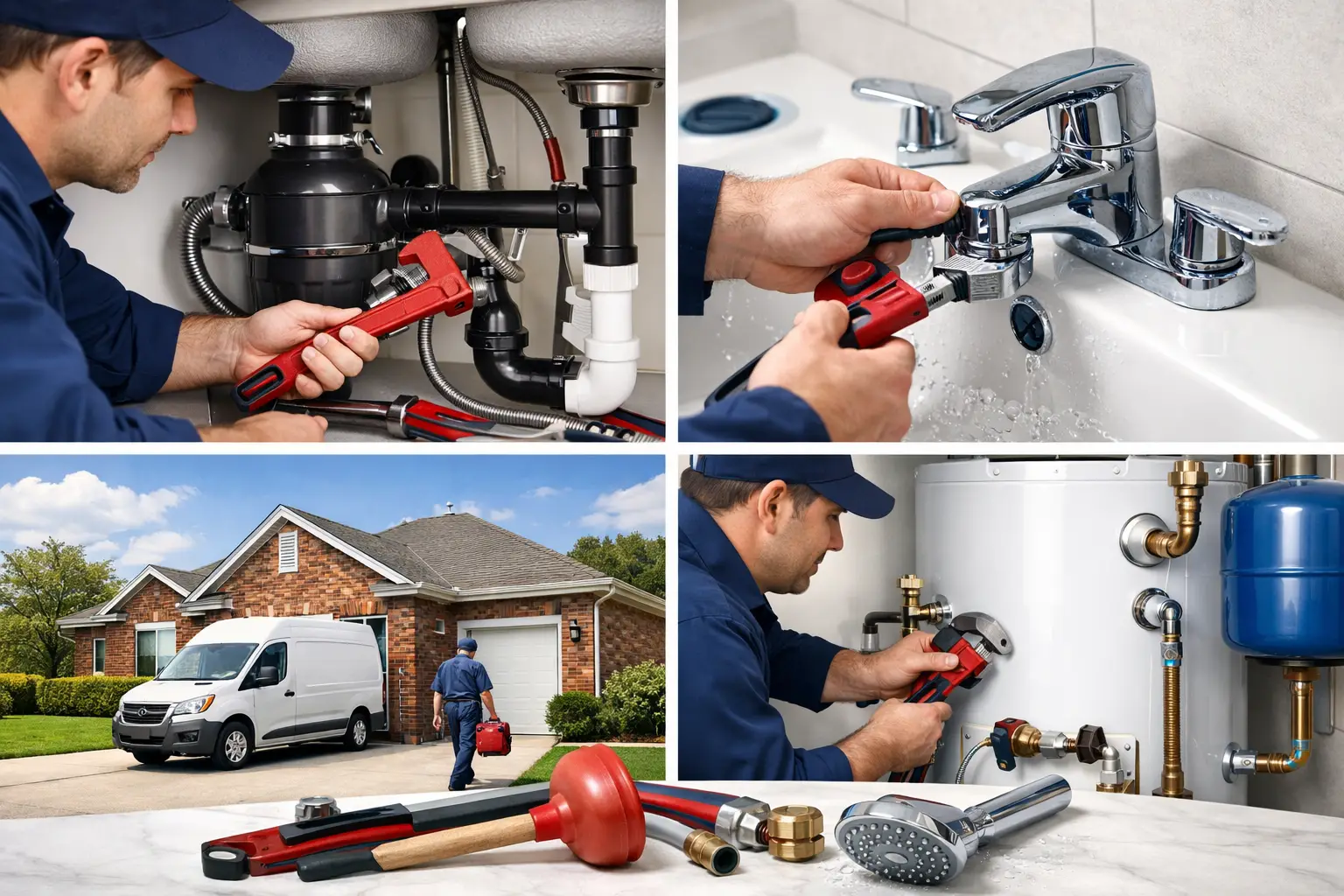
A backed-up kitchen sink at 7 a.m. and a leaking water heater at 7 p.m. can feel like two completely different problems, but both usually start with the same question: what services do plumbers provide, and when should you call one? For most homeowners and property managers, the answer is broader than expected. Plumbers handle far more than burst pipes and dripping faucets.
A professional plumber works on the systems that bring clean water in, move wastewater out, and keep fixtures and appliances working the way they should. That includes routine repairs, urgent service, drain cleaning, sewer work, fixture installation, leak detection, and water heater service. Some jobs are small and straightforward. Others require diagnostics, specialized tools, and a clear understanding of local plumbing systems.
What services do plumbers provide for everyday problems?
Most plumbing calls start with a practical issue that interrupts daily life. A toilet will not flush properly. A sink drains slowly. Water pressure drops in one bathroom or throughout the property. A garbage disposal jams. A pipe under the sink starts leaking and damages the cabinet before anyone notices.
These are the bread-and-butter repair calls plumbers handle every day. In many cases, the visible symptom is not the full problem. A dripping faucet may point to worn internal parts, but low water pressure could come from a hidden leak, mineral buildup, fixture failure, or a larger supply issue. That is where professional diagnosis matters.
Residential and small-business plumbing service often includes toilet repair and replacement, faucet repair, sink and tub drain clearing, shutoff valve replacement, leak repair, pipe repair, garbage disposal service, and troubleshooting for poor drainage or pressure issues. For property managers, this kind of service is especially important because one unresolved issue can quickly turn into a larger maintenance problem.
Drain cleaning is a core plumbing service
Many people think of drain problems as separate from plumbing, but they are closely connected. A slow drain in the shower, recurring kitchen sink clogs, or a main line backup are all plumbing system issues. Drain cleaning is one of the most common reasons customers call.
A plumber can clear blockages in sinks, tubs, showers, toilets, floor drains, and main sewer lines. The right method depends on the cause and location of the clog. A minor stoppage near the drain opening is different from a heavier blockage farther down the line. Grease buildup in a kitchen drain is different from roots in a sewer line.
This is one of the clearest examples of where it depends. Some clogs are isolated and simple to remove. Others keep returning because the real issue is deeper in the piping system. In those cases, clearing the line without identifying the cause can turn into a temporary fix instead of a lasting one.
For homes and businesses in North Texas, drain issues often become urgent fast. When wastewater starts backing up or multiple drains slow down at once, it is usually a sign that the problem goes beyond one fixture.
When a clog points to a bigger issue
If only one sink is slow, the issue may be local to that branch line. If the toilet bubbles when the shower runs, or several fixtures back up together, the problem may be in the main drain or sewer line. A licensed plumber can inspect the system, locate the blockage, and recommend the right next step instead of guessing.
Plumbers also handle sewer line problems
Sewer line work is one of the more specialized services plumbers provide. This can include diagnosing recurring backups, performing camera inspections, locating damaged sections of pipe, and repairing or replacing sewer lines when needed.
Homeowners usually do not think about the sewer line until there is a serious symptom. Bad odors, repeated drain backups, soggy spots in the yard, or gurgling drains can all suggest a sewer problem. In older neighborhoods, aging pipes and root intrusion can become a factor. In newer areas, shifting soil or installation issues may still affect underground lines.
A sewer problem is not always an emergency excavation. Sometimes the best first step is inspection. A camera line inspection helps identify whether the issue is grease buildup, a belly in the line, cracking, separation, or root intrusion. That information matters because the repair approach should match the actual condition of the pipe.
Leak detection and pipe repair are major plumbing services
Not every leak is obvious. Some appear as a stain on the ceiling, a damp wall, or an unexplained jump in the water bill. Others stay hidden behind cabinets, under slabs, or inside walls until the damage becomes harder to ignore.
Leak detection is a key plumbing service because hidden leaks can waste water and damage flooring, drywall, and framing over time. Plumbers use diagnostic methods to narrow down the source before opening walls or starting repairs. Once the leak is located, the solution might be a simple fitting replacement, a pipe section repair, or a more involved repipe in the affected area.
Pipe repair can range from replacing corroded sections to addressing frozen or burst lines after severe weather. Material also matters. Copper, PEX, PVC, and older galvanized piping each have different repair considerations. The goal is not just to stop the leak for the day, but to restore reliable performance.
Water heater service is a big part of what plumbers do
No hot water gets attention quickly. Water heaters are one of the most important systems plumbers work on, and service can include diagnosis, repair, maintenance, replacement, and new installation.
If the unit produces inconsistent hot water, makes unusual noises, leaks around the tank, or stops heating altogether, a plumber can determine whether repair makes sense or whether replacement is the better long-term move. That decision depends on the age of the unit, the type of failure, and the condition of the system overall.
Both traditional tank water heaters and tankless systems require professional service. Installation has to be done correctly for performance and safety, and sizing matters more than many customers realize. A unit that is too small may struggle to keep up. One that is not installed properly can create repeat service issues.
Repair or replace?
This is one of the most common plumbing judgment calls. A newer unit with a repairable component issue may be worth fixing. An older water heater with multiple problems or tank leakage is usually a different story. A plumber should explain the trade-off clearly so the customer can make a practical decision.
Fixture installation and plumbing upgrades
Plumbers do not only fix broken systems. They also install and replace plumbing fixtures and components during remodels, updates, and routine upgrades. That includes faucets, sinks, toilets, shower valves, garbage disposals, and other connected plumbing devices.
This type of work may look simple from the outside, but proper installation matters. A poorly installed faucet can leak under the counter. An incorrectly set toilet can rock, leak at the base, or damage flooring. A mismatched valve or supply connection can create performance issues that show up later.
For small businesses, fixture replacement may also be about reducing downtime and keeping restrooms or break areas usable. For homeowners, it is often about improving function as much as appearance.
Plumbers support both residential and small commercial properties
The core plumbing services are similar across homes and small businesses, but the urgency and logistics can differ. A homeowner may call because one bathroom is out of service. A business may need fast plumbing help because a clogged restroom or leaking line affects staff, customers, or daily operations.
That is why responsiveness matters. In local service markets such as Plano, McKinney, Richardson, Rockwall, and surrounding communities, customers are usually not looking for plumbing theory. They want clear communication, practical recommendations, and service that solves the issue without unnecessary delay.
A dependable plumbing company should be able to handle common residential calls, drain cleaning needs, fixture repairs, water heater problems, and many sewer and leak issues with the same professional approach. MasterTex Plumbing and Drain is built around that kind of straightforward service for North Texas homes and small businesses.
What services do plumbers provide beyond emergencies?
Emergency calls get attention, but preventive service matters too. Plumbers can inspect problem-prone areas, address slow drains before they become backups, replace aging fixtures, and catch leaks early. That kind of service is less dramatic, but often more cost-effective and less disruptive.
The most useful way to think about plumbing service is simple: plumbers work on the systems you rely on every day but rarely notice until something goes wrong. If water is not flowing where it should, draining the way it should, or heating the way it should, a plumber is usually the right call.
The next time a plumbing issue starts small, do not wait for it to become inconvenient enough to force the decision. Getting the right help early is often what keeps a minor problem from turning into a much bigger one.