
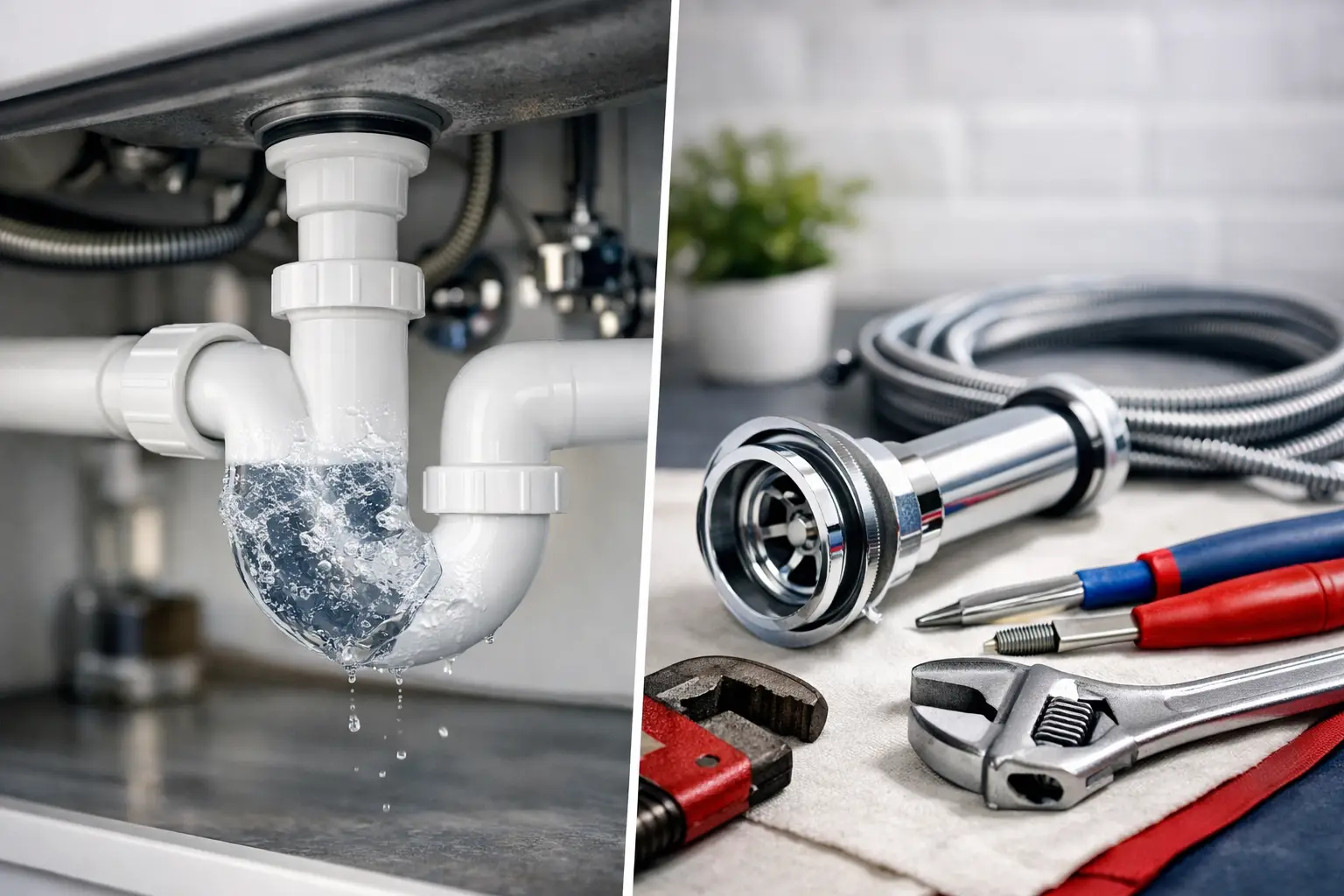
A drain that gurgles after the sink empties, the shower runs, or the toilet flushes is doing more than making an annoying sound. If you are asking, “why does my drain gurgle,” the sound usually means air is having trouble moving through the plumbing system as water flows out. That may be a small, local drain blockage, but it can also point to a larger issue farther down the line.
A single gurgling fixture is often less urgent than several fixtures making noise at once. The key is noticing when it happens, which drains are affected, and whether water is draining normally. Those details help determine whether a professional drain cleaning or plumbing repair is needed.
Why Does My Drain Gurgle When Water Goes Down?
Your drain lines need both water flow and airflow to work properly. As water moves through a pipe, it pushes air ahead of it and pulls air behind it. The plumbing vent system gives that air a safe route in and out, helping water move smoothly without disrupting the water held in fixture traps.
When a partial clog, blocked vent, or restriction interferes with that balance, air may force its way through the nearest drain opening. The bubbling or gulping sound you hear is the result. In some cases, the sound appears only after a tub, dishwasher, washing machine, or toilet sends a larger volume of water into the drain system.
A gurgle does not always mean a complete blockage is imminent. However, it should not be ignored, especially if the noise is getting louder, more frequent, or affecting more than one room.
Common Reasons a Drain Starts Gurgling
A Partial Clog Is Restricting the Drain Line
A partial blockage is one of the most common causes of drain gurgling. Hair, soap residue, grease, food debris, paper products, or buildup inside the pipe can narrow the passage where water and air need to travel. Water may still drain, but it moves around the obstruction unevenly and creates pressure changes that lead to gurgling.
Kitchen sinks often develop restrictions from grease and food particles. Bathroom sinks and tubs commonly collect hair and soap buildup. A toilet that gurgles may have a blockage in the toilet trap or the branch line serving that bathroom.
The location of the sound matters. If only one sink gurgles and drains slowly, the issue may be close to that fixture. If the kitchen sink bubbles when the dishwasher drains, the shared kitchen drain line may have a restriction farther along.
The Plumbing Vent May Be Blocked or Damaged
Vent pipes extend through the roof and allow the drainage system to equalize pressure. When a vent is blocked by debris, nesting material, leaves, or another obstruction, air cannot move as intended. That can cause drains to gurgle, toilets to bubble, or trap water to shift.
Vent problems can be difficult to confirm without the right equipment and safe roof access. They can also resemble a drain clog because both conditions affect air pressure and drainage. A professional inspection helps identify whether the issue is inside the drain line, the vent system, or both.
A Main Drain Line May Be Developing a Blockage
When several fixtures gurgle, the concern shifts from a single fixture drain to a shared line or main drain line. For example, flushing a toilet may make the nearby tub bubble, or running the washing machine may cause a sink to gurgle. These are signs that water and air are backing up against a restriction farther down the system.
A main line issue may start subtly. At first, you might hear occasional noise or notice one fixture draining slowly. As the blockage grows, water can begin backing up into low drains such as a shower, bathtub, or floor drain. Waiting until that point can turn a manageable service visit into a more disruptive plumbing problem.
A Fixture Trap May Be Low on Water
The curved pipe beneath a sink, tub, shower, or floor drain is called a trap. It holds a small amount of water that helps block sewer odors from entering the home. In an infrequently used fixture, that water can evaporate over time. While a dry trap does not usually cause a major drainage blockage, it can allow unusual sounds and odors to become noticeable.
If a guest bathroom, utility sink, or floor drain is rarely used, running water for a short time may refill the trap. If gurgling continues after that, or if the fixture has persistent odor or drainage trouble, it is worth having the system checked.
Signs the Gurgling Drain Needs Prompt Attention
A brief gurgle from one sink may not be an emergency, but certain symptoms call for faster action. Pay close attention if you notice repeated bubbling in a toilet, water rising in a shower or tub when another fixture drains, sewage-like odors, or water backing up into a sink or floor drain.
You should also schedule service promptly when multiple drains are slow or noisy. In a home or small business, shared drainage problems can worsen quickly as more water is used throughout the day. A kitchen, restroom, laundry area, or break room that cannot drain properly can interrupt normal routines and create an avoidable cleanup issue.
If water is actively backing up, stop using water fixtures connected to the affected area until the cause is evaluated. Continuing to flush, run appliances, or drain sinks may add more water behind the blockage.
What You Can Safely Check Before Calling a Plumber
Start by identifying which fixture is making noise and when. Does the bathroom sink gurgle by itself? Does the tub bubble when the toilet is flushed? Does the kitchen sink make noise when the dishwasher runs? This information gives a plumber a useful starting point.
You can also remove visible debris from a sink stopper or drain cover if it is easy to access. In a kitchen sink, avoid sending grease or food scraps down the drain. For a rarely used drain, run water briefly to make sure the trap contains water.
Avoid using chemical drain cleaners. These products can be harsh on pipes, may not clear the actual obstruction, and can create a safety concern when a plumber later needs to work on the line. Repeated plunging or forcing tools into a drain can also make some situations worse, particularly when the issue is in a shared line or vent.
How Professionals Find the Cause of a Gurgling Drain
Professional drain service begins with the pattern of the problem: which fixtures are affected, whether there is standing water, and what events trigger the gurgling. From there, a plumber can test drainage, inspect accessible components, and determine whether the restriction is local or deeper in the system.
Drain cleaning equipment can remove many common blockages in fixture drains and branch lines. When symptoms point to a larger issue, camera inspection may help locate buildup, damaged piping, or other obstructions inside the line. Vent-related concerns may require a separate evaluation because the source of the pressure problem is not always visible from inside the home.
The right repair depends on the cause. Clearing a bathroom sink drain is different from addressing a main drain restriction, and neither should be treated as a one-size-fits-all problem. Accurate diagnosis helps prevent the gurgling from returning soon after service.
When to Call for Drain Cleaning in North Texas
North Texas homes and businesses can experience drain problems from everyday use, aging plumbing components, and buildup that develops gradually inside drain lines. If gurgling is paired with slow drainage, recurring clogs, toilet bubbling, or backups in more than one fixture, it is time to arrange professional service.
MasterTex Plumbing and Drain helps homeowners, property managers, and local businesses in communities across the Dallas-Fort Worth suburban area identify and resolve drain problems with straightforward recommendations and professional service. Calling before a partial blockage becomes a backup can protect your routine and limit the disruption to your property.
A gurgling drain is often your plumbing system's early warning that water and air are no longer moving as they should. Addressing that warning while the problem is still contained is usually the simplest path back to quiet, dependable drainage.